The 2026 Ultimate Guide for Travelers to Translate Arabic from Image on Menus and Signs
Published in January 7, 2026
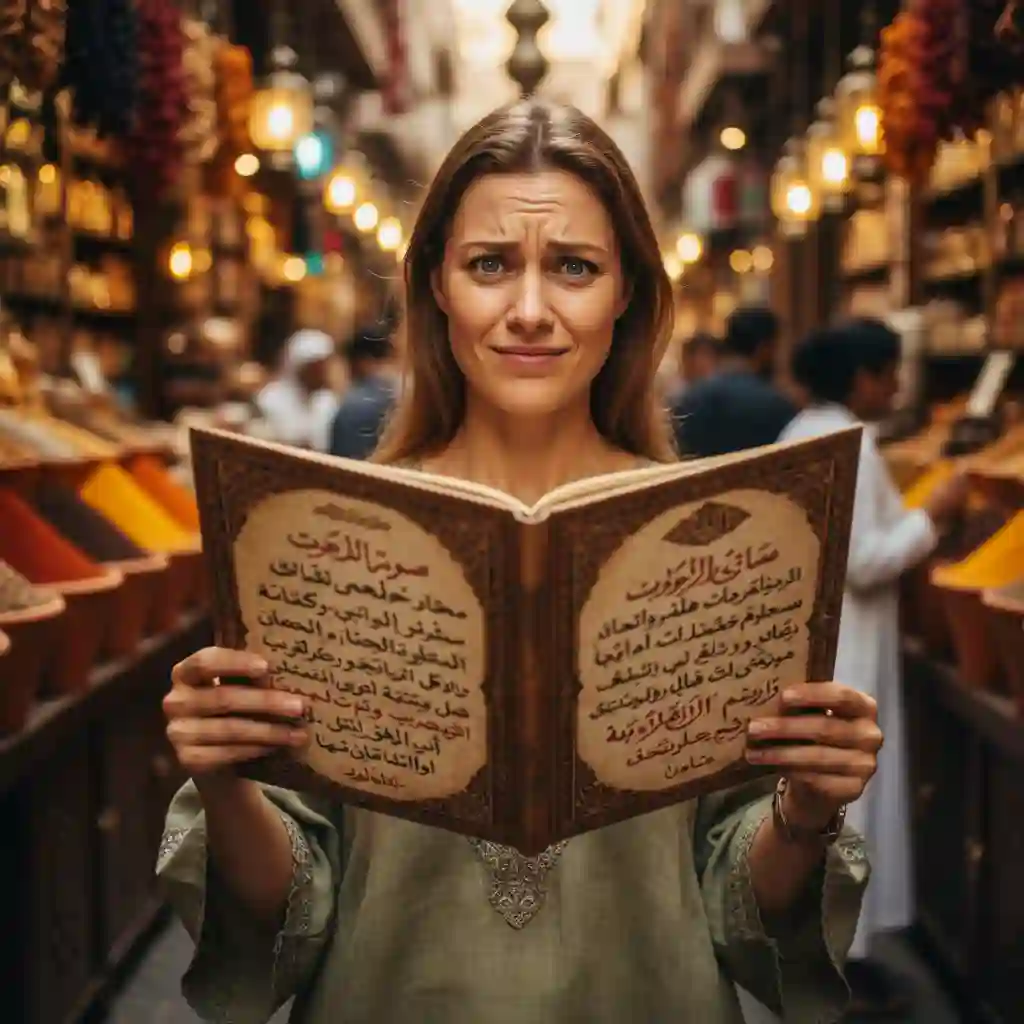
Picture yourself in a bustling Dubai souk. The air is rich with the scent of exotic spices. Before you is a menu filled with beautiful but baffling Arabic script. It creates that classic traveler’s dilemma: excitement mixed with a wave of helplessness.
This frustration is a shared experience for over 85% of visitors to the region. The key to unlocking these authentic moments lies in a single, powerful skill. You need the ability to translate Arabic from image accurately and instantly.
This comprehensive 2026 guide aims to end that confusion. We will explore cutting-edge AI tools and proven techniques. These methods make it simple to translate Arabic from image with just your smartphone. It works regardless of lighting or font.
You will learn how to compare the best apps. You will also learn to avoid common mistakes and get near-perfect results every time. Our goal is to give you confidence. You can navigate menus and signs like a local. You will master how to translate Arabic from image.
Language will no longer be a barrier. Instead, it becomes a bridge to deeper exploration on your adventure.
1.Why Accurately Translating Arabic from Image Was a Huge Challenge for Travelers
Before we dive into modern solutions, let's understand the problem. Translating Arabic from a picture is complex. Knowing these challenges helps you choose the right tools. You will get better results. In the past, translating Arabic from an image was a difficult task.
1.1 The Unique Complexity of Arabic Script
First, the Arabic script itself is challenging. People write it from right to left. This is the opposite of most Western languages.
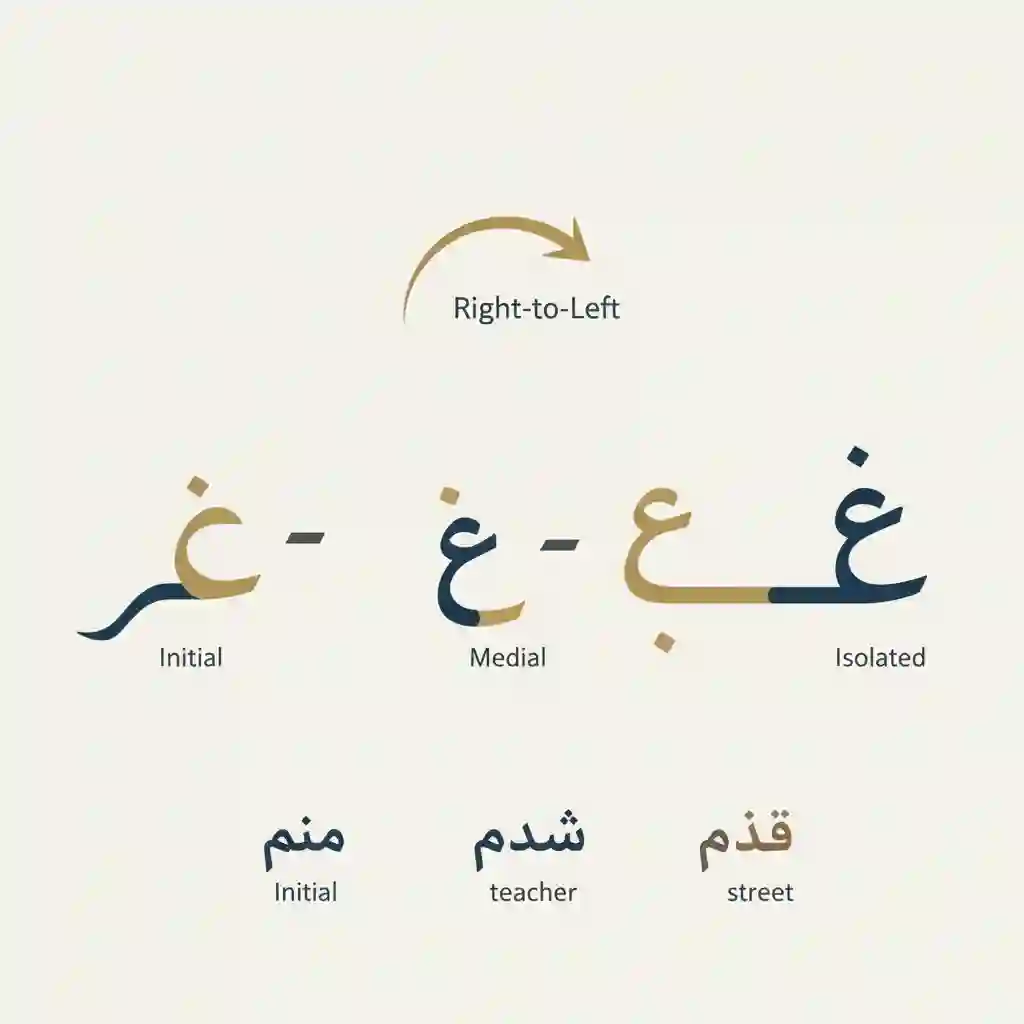
Letters are cursive and connected. A single letter changes its shape depending on its position in a word. This feature makes it difficult for standard converters. It is hard to segment and correctly identify individual characters. Early attempts to translate Arabic from image often failed at this crucial step.
To visualize Arabic OCR pain points and recognition logic, check this Instagram reel—helps grasp why cursive connections and shape shifts impact photo scans. (Unlocking Meaning with Arabic OCR Technology)
1.2 Real-World Interference Factors
A traveler's environment is full of uncontrollable variables. Think about dim lighting in a restaurant or glare from a laminated menu. Even an awkward angle of a street sign matters. These factors can disrupt the recognition process.
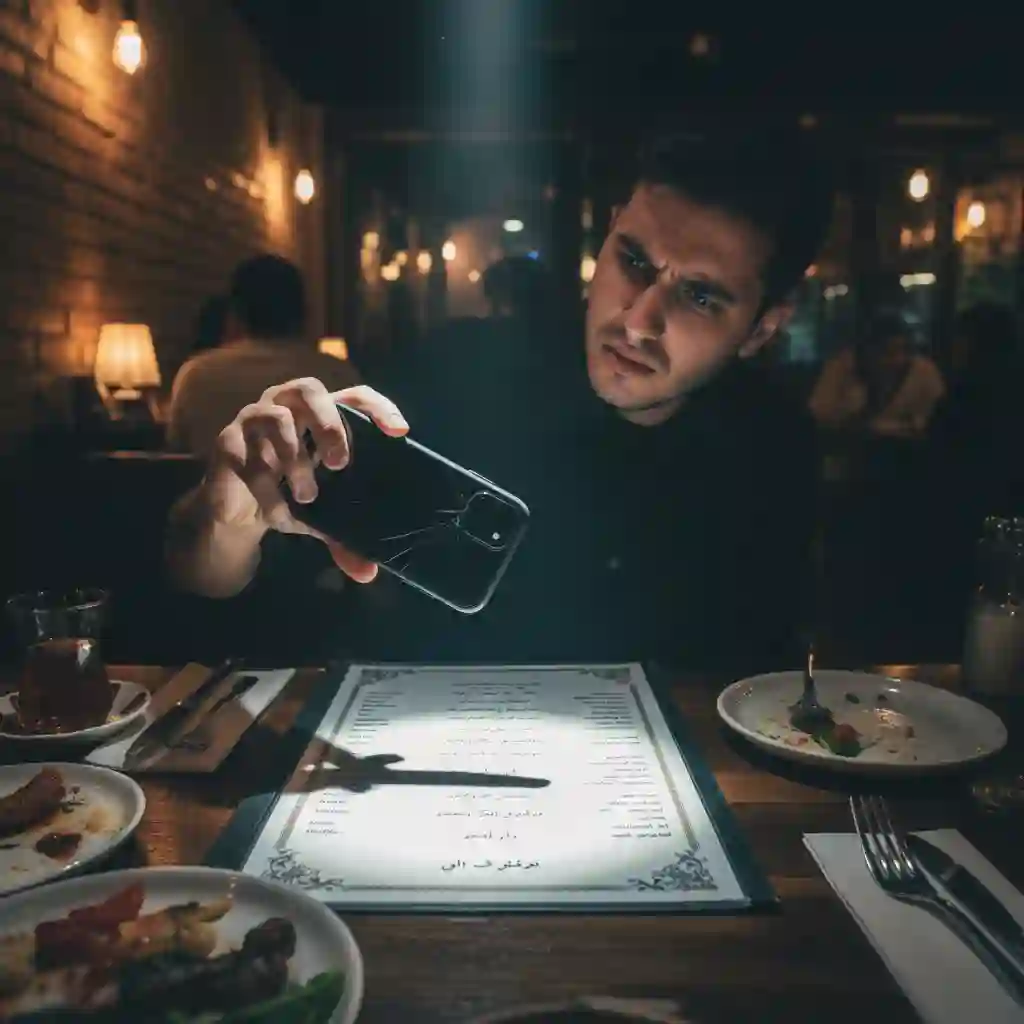
Data shows these factors can increase error rates by up to 40%. Under ideal lab conditions, an Arabic OCR tool might achieve 98% accuracy. In a low-light restaurant, that figure can drop below 60%. This makes a successful scan feel like a gamble. It becomes harder to consistently translate Arabic from images.
1.3 The Technology Gap: Not All Tools Were Created Equal
Many older image translator tools lacked training for Arabic nuances. They performed poorly when processing the complex script. They often failed to correctly extract text from the picture.
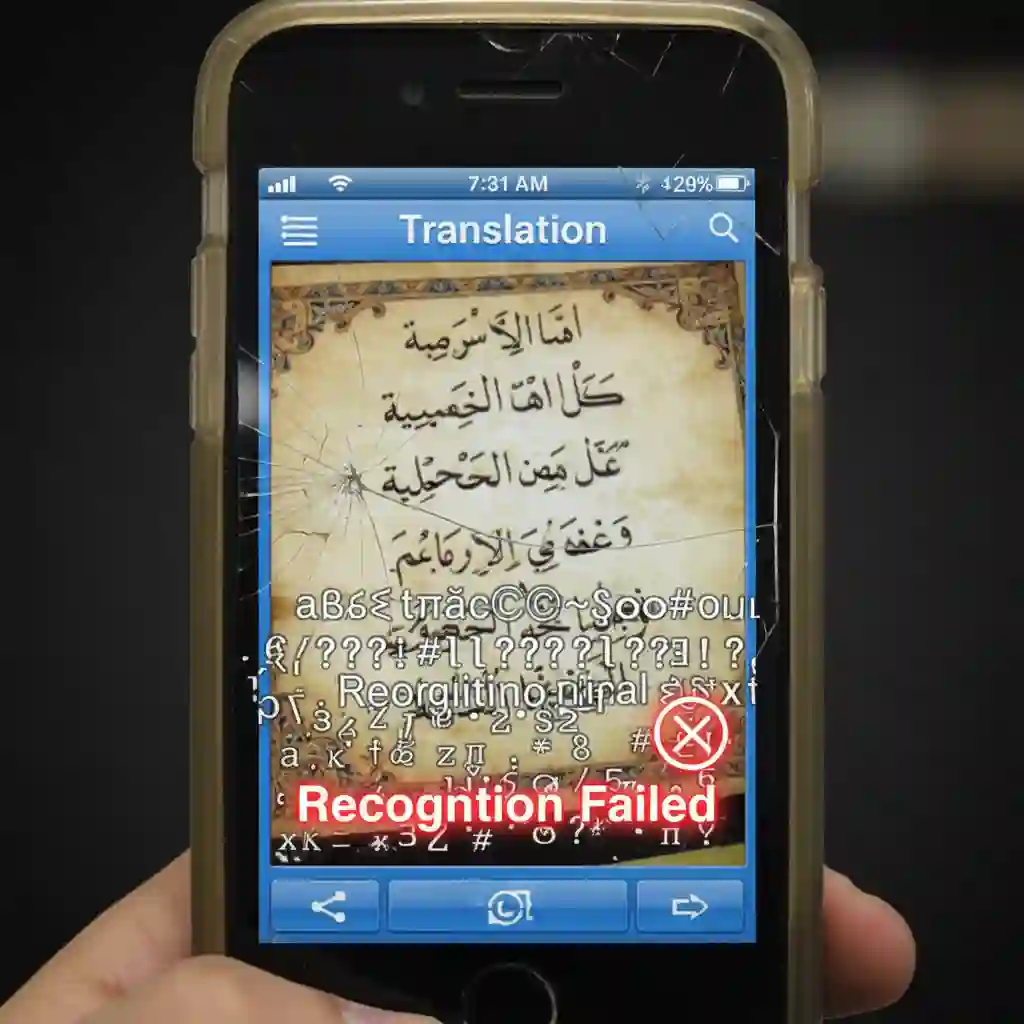
Software often misinterpreted the connection points between letters. This led to completely distorted words. It explains why early efforts to translate Arabic from image frequently failed. The outputs made no sense. This technology gap was a primary reason travelers struggled. You need technology built for the job to translate Arabic from image correctly.
To verify tool differences, read this Reddit thread packed with complaints on multi-page OCR, clarity, service limits—great for calibrating expectations. (Good Arabic OCR (and machine translator))
2.The Ultimate Solution: How Ai Image Translator Helps You Travel Seamlessly
Leave the old frustrations behind. AI-powered tools now exist to solve these pain points. Ai Image Translator is more than a translator. It is your personal guide in your pocket. It makes it simple to translate Arabic from image accurately.
2.1 What is Ai Image Translator? A Powerful Tool Designed for Travelers
Ai Image Translator is a leading tool created for travelers like you. It uses advanced AI visual recognition trained on millions of Arabic images. The tool is optimized for complex scenarios. It handles real-world items like menus and street signs.
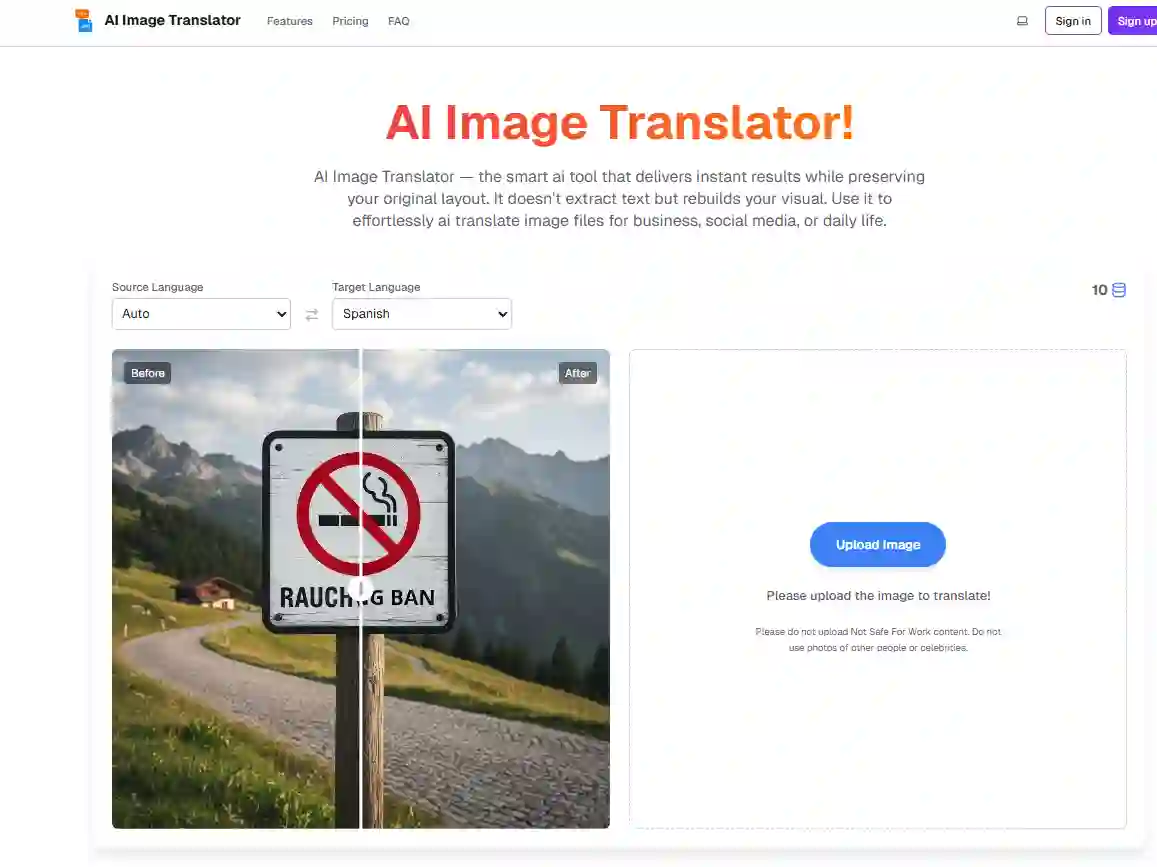
Its core mission is to translate Arabic from an image perfectly. It differs from generic tools. It handles poor lighting and decorative fonts better. This ensures accuracy with every scan. It is the top choice for anyone needing to translate Arabic from image on the go.
2.2 A Few Simple Steps to Get a Translation in Under 10 Seconds
Using this powerful app is intuitive. The whole process takes less than ten seconds. Follow these steps to translate Arabic from an image quickly:
First, select your language. Open our web application. You can manually choose Arabic as the source language. Alternatively, use the "Auto-Detect" feature to let the AI find the text. This is the first step to translate Arabic from image successfully.
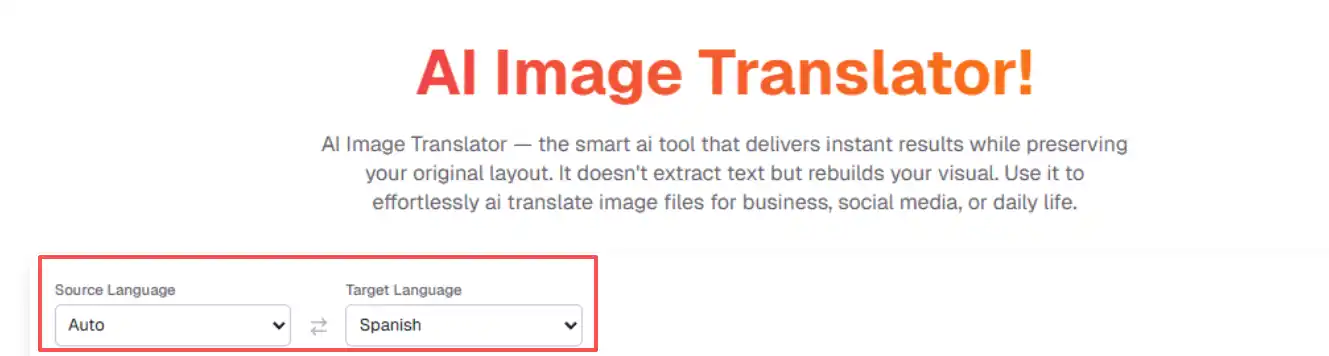
Next, choose the right model. For high accuracy, select the "Aismalte" OCR model. It is best for official documents or menus. Use it when you need to translate Arabic from image precisely. Other models work better for posters or comics where layout preservation is key.
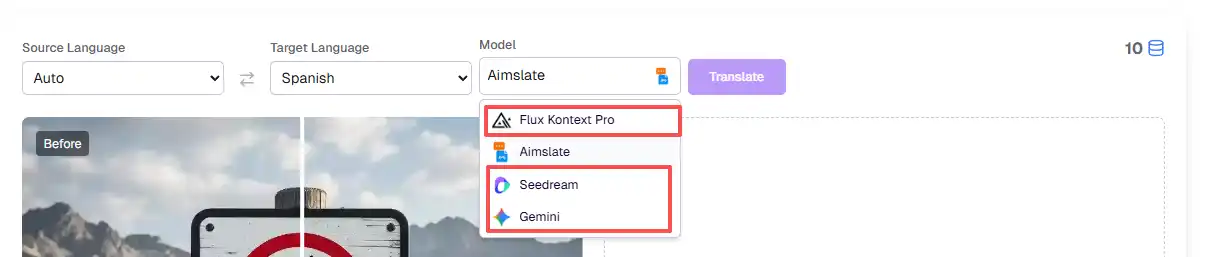
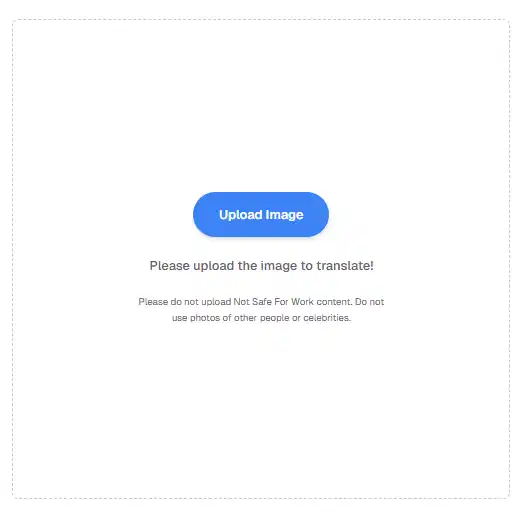
Finally, upload your image. Upload the picture you took. The system will automatically process and translate the image. This is the final step to translate arabic from image. It completes a seamless workflow.
If iPhone screenshots won't select text on long-press, check this Reddit post: use Google Search/Lens to select first, then translate Arabic from image without manual input. (translate Arabic text from a screen shot)
2.3 More Than Menus: It's Also Your Real-Time Camera
The power of Ai Image Translator extends even further. It is not just a tool to translate arabic from image from your gallery. It can also become your live Arabic to English Camera.
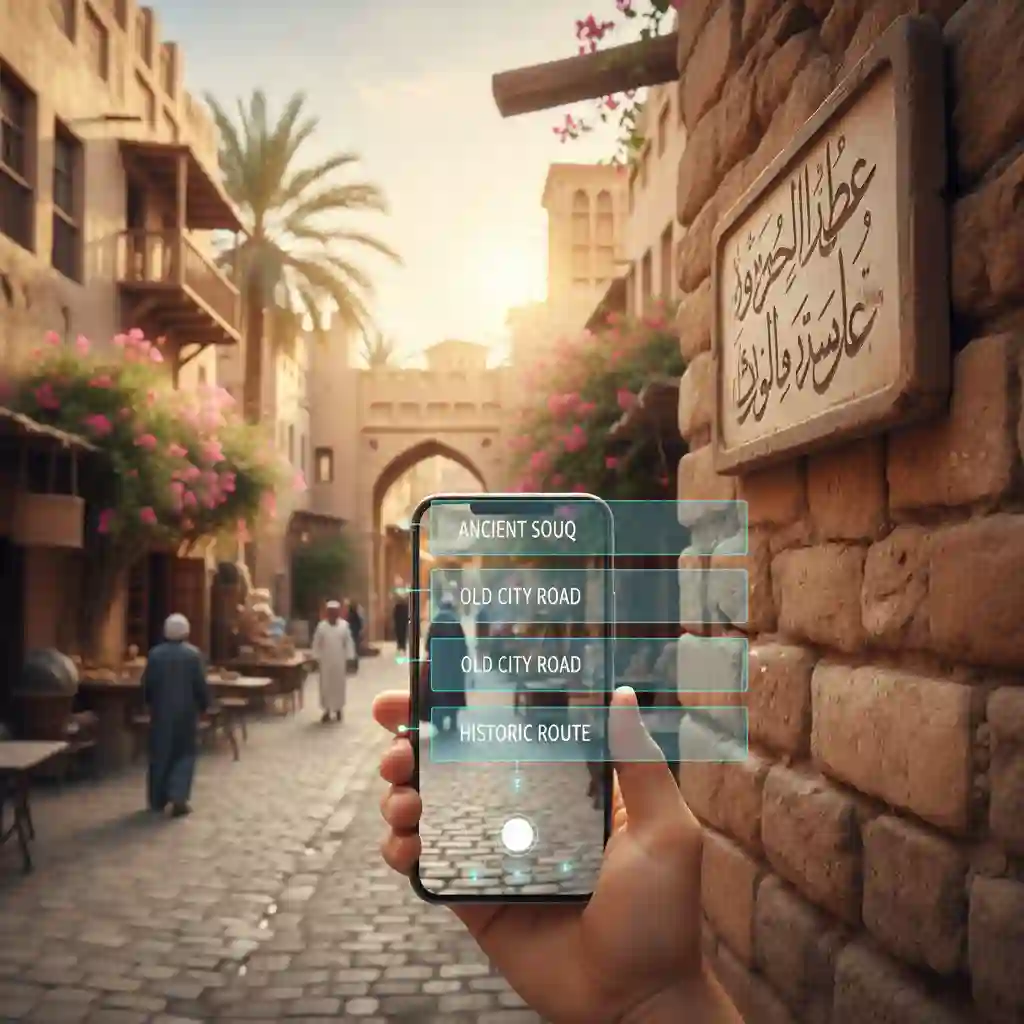
Imagine pointing your phone's camera at a museum description. You could look at a product label in a pharmacy or a local newspaper headline. The translated text appears instantly on your screen. This feature allows you to translate Arabic from image in real-time. It helps you understand your surroundings instantly.
2.4 User Story: Jessica's "Food Adventure" in Egypt
Jessica, a traveler from the U.S., was in a local Cairo restaurant. She was stumped by a menu written entirely in Arabic. She was eager to try the famous regional dish, "Koshary." However, she couldn't find it.
She remembered Ai Image Translator. She opened the website and snapped a photo of the menu. Then, she chose to translate Arabic from image. In less than five seconds, a precise English translation appeared on the text. She easily found "Koshary" and placed her order. "This tool changed my travel experience," Jessica said. "It gave me the confidence to translate Arabic from image and explore food like a local."
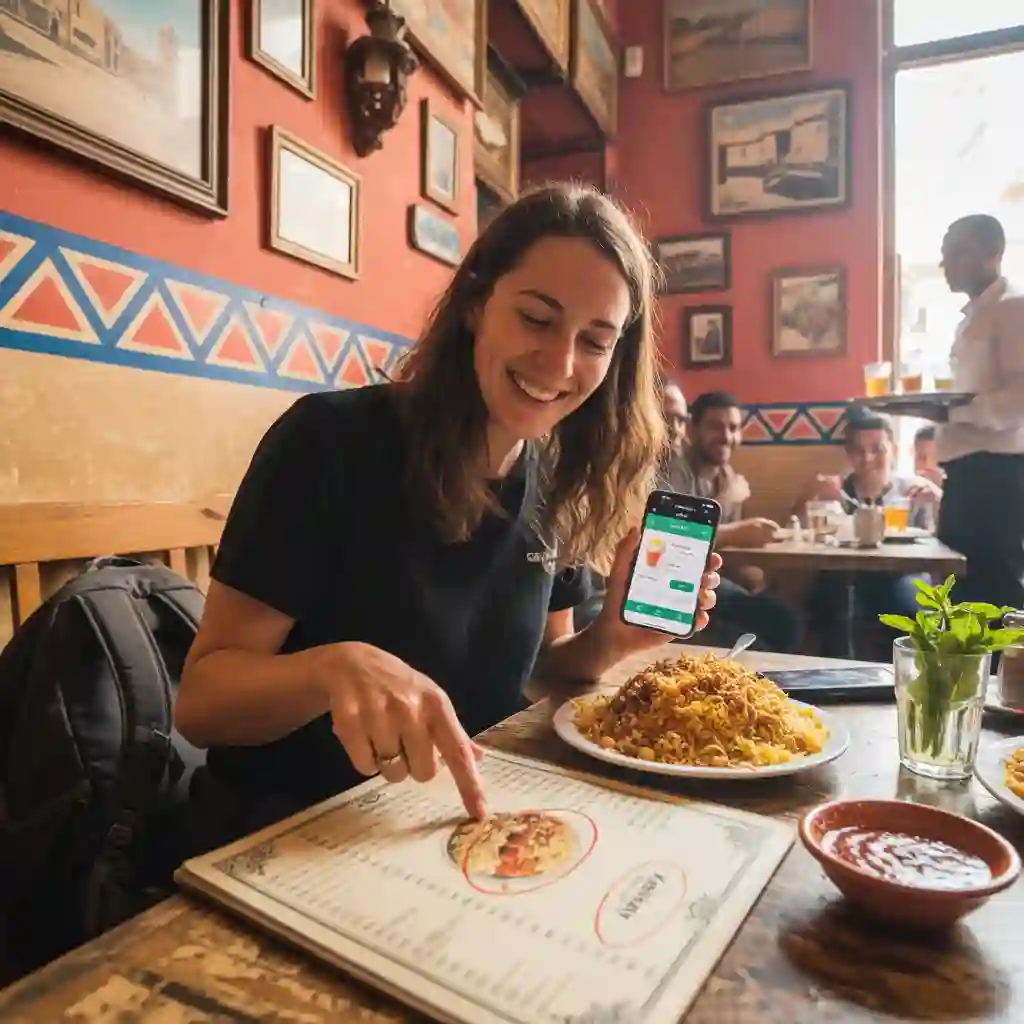
This tool supports uploading JPG/PNG images, automatically detects and translates inner text to 200+ languages including Arabic. Preserves original layout and fonts unchanged, ideal for menus, documents, comics. (Free, High-Accuracy for Translate Arabic from Image on Menus, Signs, Screenshots)
3.2026 Best Tools Comparison: Which is Best to Scan and Translate Arabic?
Ai Image Translator is a powerful tool. However, other excellent options exist on the market. We conducted a fair comparison of leading tools to help you decide. We want to see which is best when you need to scan and Translate Arabic. Our goal is to help you find the perfect tool to translate Arabic from image for your travel style.
3.1 Google Lens: The Convenient Choice for Android Users (92%+)
For Android users, Google Lens is the most convenient option. It integrates into the native camera and Google Photos apps. It requires no extra installation. You can open your camera and point it at text. This allows you to translate Arabic from image.
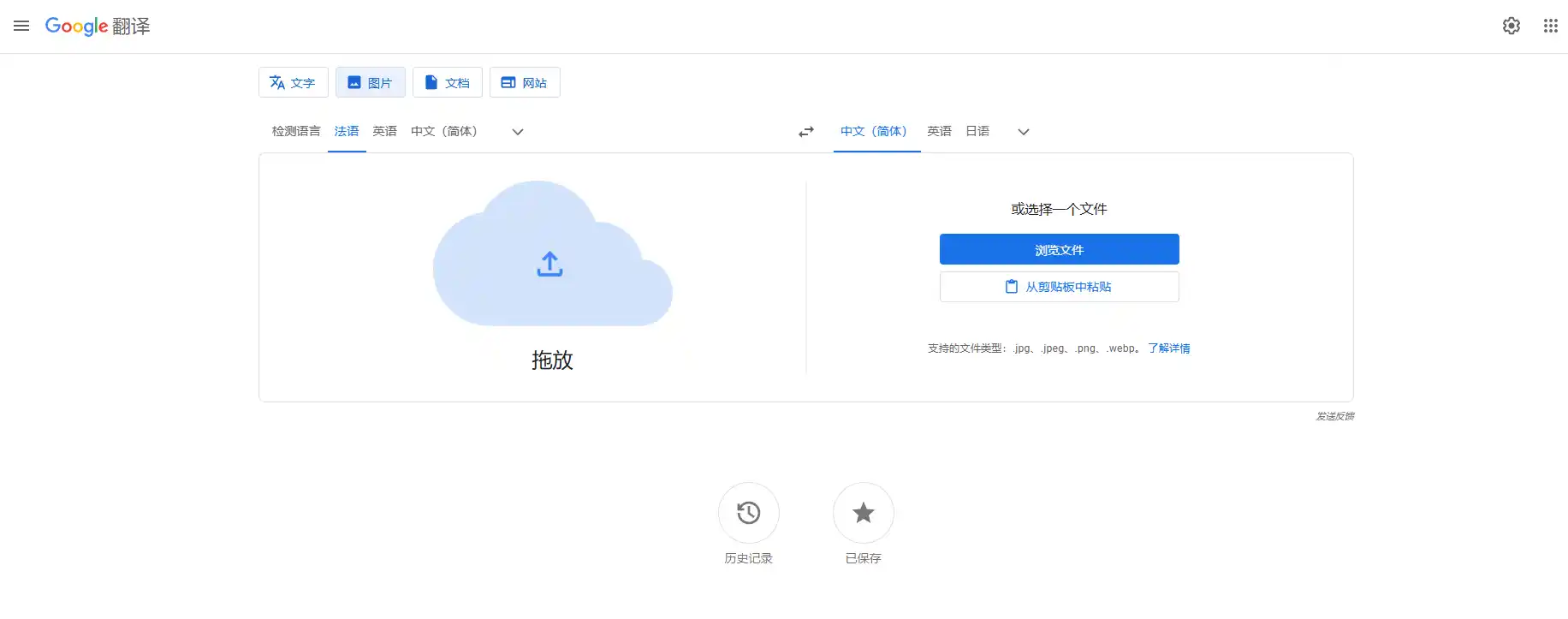
It performs well with standard printed text as an all-purpose Photo Translator App. Our tests show its translation accuracy is around 92% in good lighting conditions. However, it can falter with complex calligraphic fonts. Menus with heavy glare also cause issues. These factors affect the final result when you translate Arabic from image.
For quick Google Lens "snap-and-translate" workflow, watch this demo video. Crop target area per steps then tap translate for more stable translate Arabic from image. (how to translate text within images using Google)
3.2 Microsoft Translator: Powerful Real-Time Camera Feature (90%+)
Microsoft Translator shines with its robust, real-time Arabic to English Camera feature. It lets you see translated text overlaid on the original. You view this through your camera screen. This creates a fluid experience.
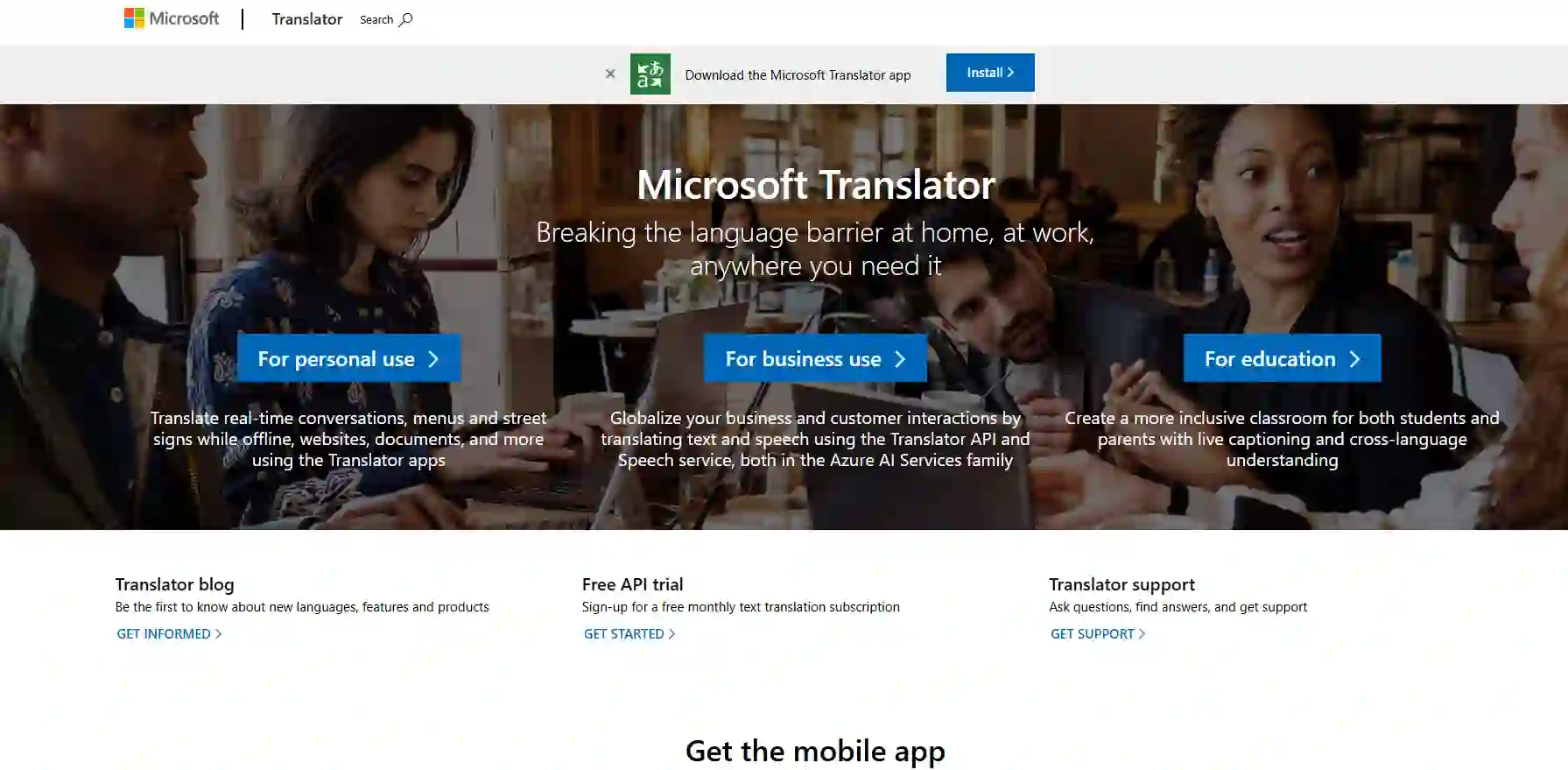
This image translator has an accuracy of about 90%. It works well for street signs and large headlines. However, its static photo feature is less intuitive than its competitors. This is the process to translate Arabic from image by uploading from your gallery. Still, you might prioritize a live translation experience. If so, it is a reliable partner to help you translate Arabic from image.
3.3 Yandex Translator: The No-Install Alternative (92%+)
Yandex Translator stands out as an excellent Arabic OCR Online web tool. Its most significant advantage is that no app download is necessary. You can visit the website on your browser. Then, upload a picture and begin to translate Arabic from image.
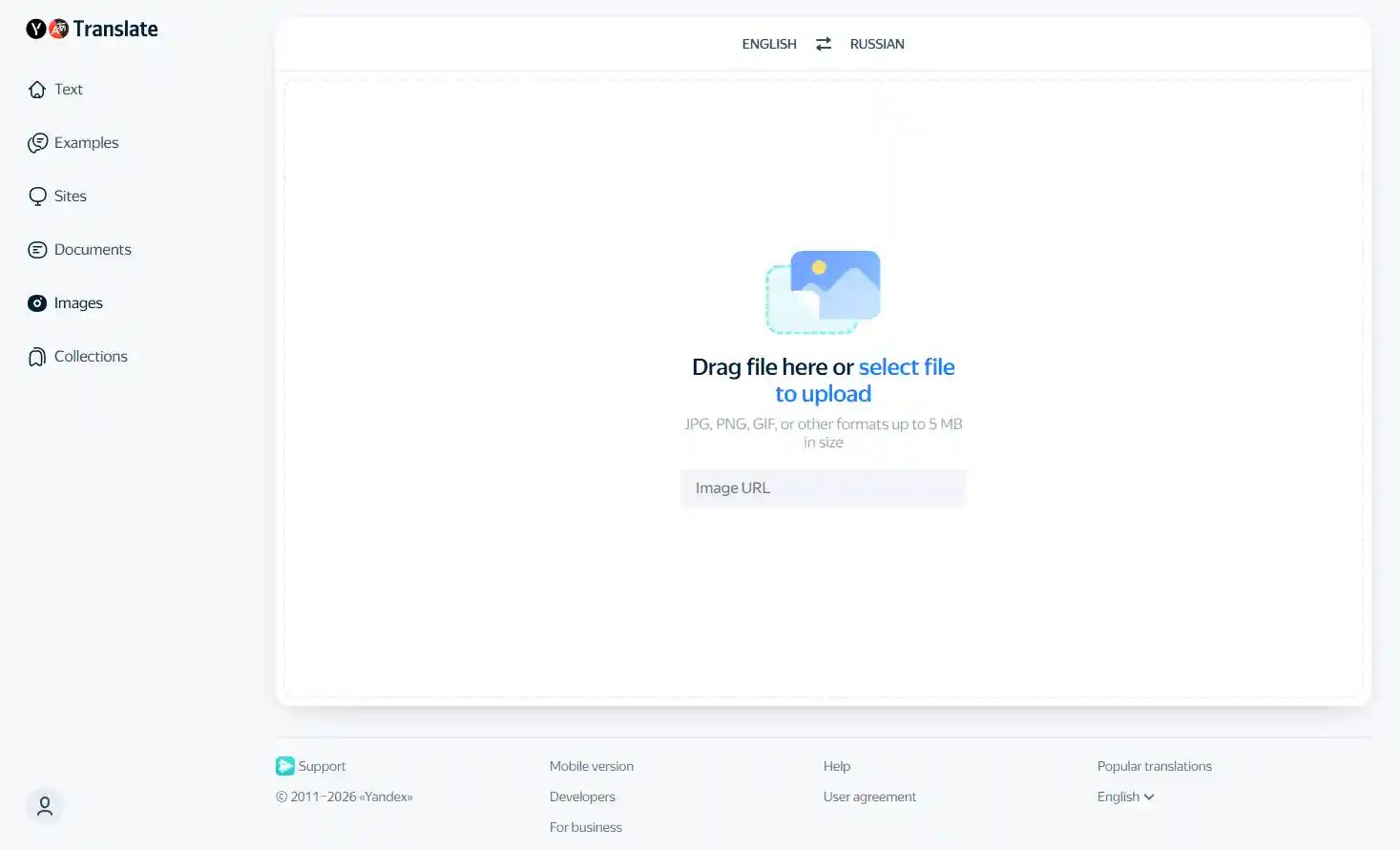
Its image translation engine is powerful. It has an accuracy rate of over 92%, which rivals Google Lens. This makes it a great temporary solution if you avoid installing new apps. However, its biggest drawback is its heavy reliance on an internet connection.
You cannot use it to translate Arabic from image without Wi-Fi or service. This is a critical weakness for travelers heading to remote areas. You lose the ability to translate Arabic from image when offline.
4.Boost Accuracy by 99%: 5 Pro Tips for Using a Photo Translator App
Even with the best tools, a few simple tricks can improve your results. Remember these five points. You will become a true pro. You will be able to translate Arabic from image in any environment.
4.1 Tip 1: Ensure Sufficient and Even Lighting
This is the easiest way to improve recognition accuracy. Shadows and glare are the biggest enemies of AI text recognition. Adjust your phone's angle before taking a picture. This avoids reflections from direct lighting.
This simple trick can boost recognition accuracy by up to 30%. Ensuring even light is the first step. It is critical to translate arabic from image.
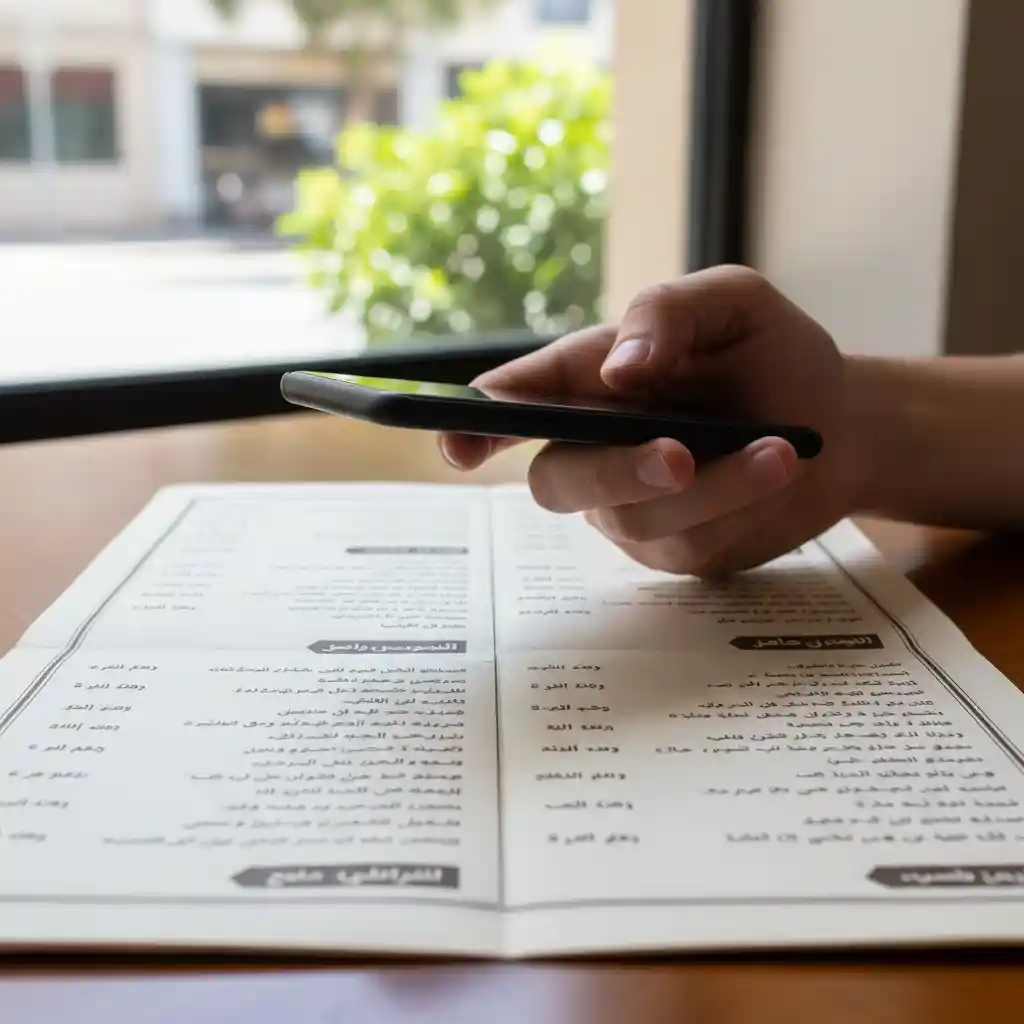
4.2 Tip 2: Keep the Camera Parallel
Try to keep your phone's lens parallel to the text's surface. Shooting at an angle causes perspective distortion. This makes it difficult for the image translator to recognize the character shapes.
Imagine you need the AI to see the text exactly as it looks in print. This simple action improves precision. It is a key habit when trying to translate Arabic from image.
4.3 Tip 3: Scan Long Texts in Sections
Don't try to capture a long restaurant menu or notice in one shot. Doing so often results in blurry text at the edges.
The best approach is to scan and Translate Arabic in smaller sections. Focus on 2-3 lines of text at a time. Ensure each shot is sharp and clear. This method may take a few extra seconds. However, it ensures reliable results when you translate Arabic from image.
For frequent PC screenshot/scan processing, this tutorial suits best—shows text extraction first then translation, perfect for sectional long menus or notices. (How to use Google Lens for extraction of text from Arabic)
4.4 Tip 4: Check the Extract Text from Picture Result
Take three seconds to do a quick review before hitting "translate." Many advanced Photo Translator App tools show you the identified Arabic text first.
Check for any apparent errors. For example, the software might recognize two connected letters as a single character. Correcting mistakes at the source is the secret to accuracy. This step is vital to translate arabic from image.
For lightweight phone demo, watch this TikTok—focus on verifying recognized Arabic text first, then translate to cut misreads and translate Arabic from image more reliably. (How to Translate Text in a Picture Using Google)
4.5 Tip 5: Understand the Cultural Context
Finally, remember that AI is not infallible. Some dish or place names are transliterations, like "Hummus" or "Shawarma." A literal translation might lose the real meaning.
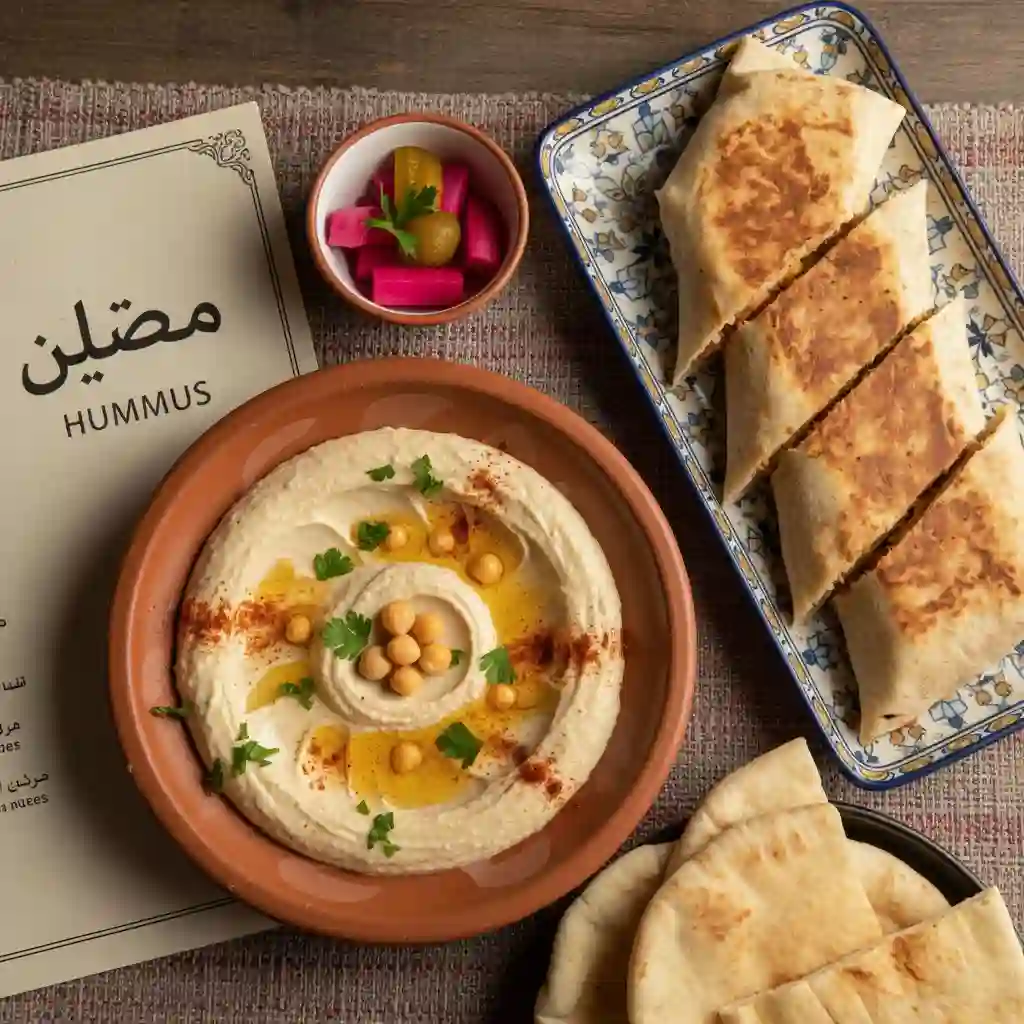
Use the menu pictures or context if a translation seems odd. Use the AI translation as a guide, not the absolute truth. This moves beyond trying to translate Arabic from image. It helps you understand the local culture. It is the final step to translate Arabic from an image.
5.Frequently Asked Questions About Translating Arabic from an Image
We've compiled some of the most common questions users have about image translation. These answers will help you get the most out of tools designed to translate Arabic from image.
Q: Are these tools completely free to use to translate Arabic from an image?
A: Not entirely. However, most top-tier tools provide a free trial. This includes Ai Image Translator. They often offer a certain number of free translations per month. This is usually enough for the average traveler. It covers their needs to translate Arabic from image during a trip.
A two-week vacation usually falls within the free limit. This assumes you translate 10-15 photos of menus per day. You would only need a paid subscription for heavy use. Translating an entire book is an example. For most users, it is free to translate Arabic from image.
Q: Can these Photo Translator App tools translate handwritten Arabic?
A: It is challenging but has a moderate success rate. The technology works best on standard, printed text. Handwritten text is more complex to recognize. This is because everyone's handwriting is unique.
Data suggests the success rate for clear Arabic script is around 60-70%. It is possible, but results aren't always reliable. We recommend sticking to printed text for accurate outcomes. This is where the technology excels. Print is your best bet to translate Arabic from image.
Q: What should I do if I'm in a place with no internet?
A: This is a critical question. The answer is to prepare in advance. Many professional Photo Translator App options offer offline capabilities. Microsoft Translator is one example. You need to download the Arabic offline language pack before your trip. Do this while you still have an internet connection.
This pack might take up a few hundred megabytes of storage. However, it allows you to Scan and Translate Arabic in remote areas. It works on a plane or in a subway, even without Wi-Fi. Preparing ahead means you can translate Arabic from image anytime. This is key to ensuring you can translate Arabic from image without interruption.
Q: Is it safe to upload my photos for translation?
A: Yes, it is safe with reputable applications. Professional services like Ai Image Translator take user privacy seriously. You upload a photo to translate Arabic from image. The app sends it to a secure server for processing. The server typically does not store it permanently. It is not linked to your personal identity.
The system often anonymizes or deletes the data after a short period. Of course, the safest practice is to read the privacy policy. Spend a minute doing this before using any image translator. Overall, using a trusted tool to translate Arabic from image is a secure process.

6.Language Is No Longer a Barrier, But a Bridge to Exploration
You now have the knowledge and tools to navigate the Arabic-speaking world. You can travel with confidence. Think about grocery store labels or ancient inscriptions. Consider street food menus or vital traffic signs. The Arabic text in any image is no longer a mystery.
Modern technology makes it easier than ever to translate Arabic from image. It is also more efficient. The language gap was once a frustrating barrier. Now, it is bridgeable. Do not let unfamiliar text limit your footsteps. Do not let it prevent you from experiencing the culture.
Your next worry-free Arabian adventure awaits. It is time to put this knowledge into practice. Experience the joy of seamless communication. We encourage you to take this crucial next step.
Click the link below to start your free trial of Ai Image Translator. Transform your smartphone into the ultimate travel companion. You can confidently translate Arabic from an image. Every meal you order becomes a genuine cultural exchange. It is not just a transaction. Master how to translate Arabic from an image. You will unlock a deeper, more meaningful journey.