A Simple Method to Read Any Japanese Sign in 60 Seconds with a kanji translator image
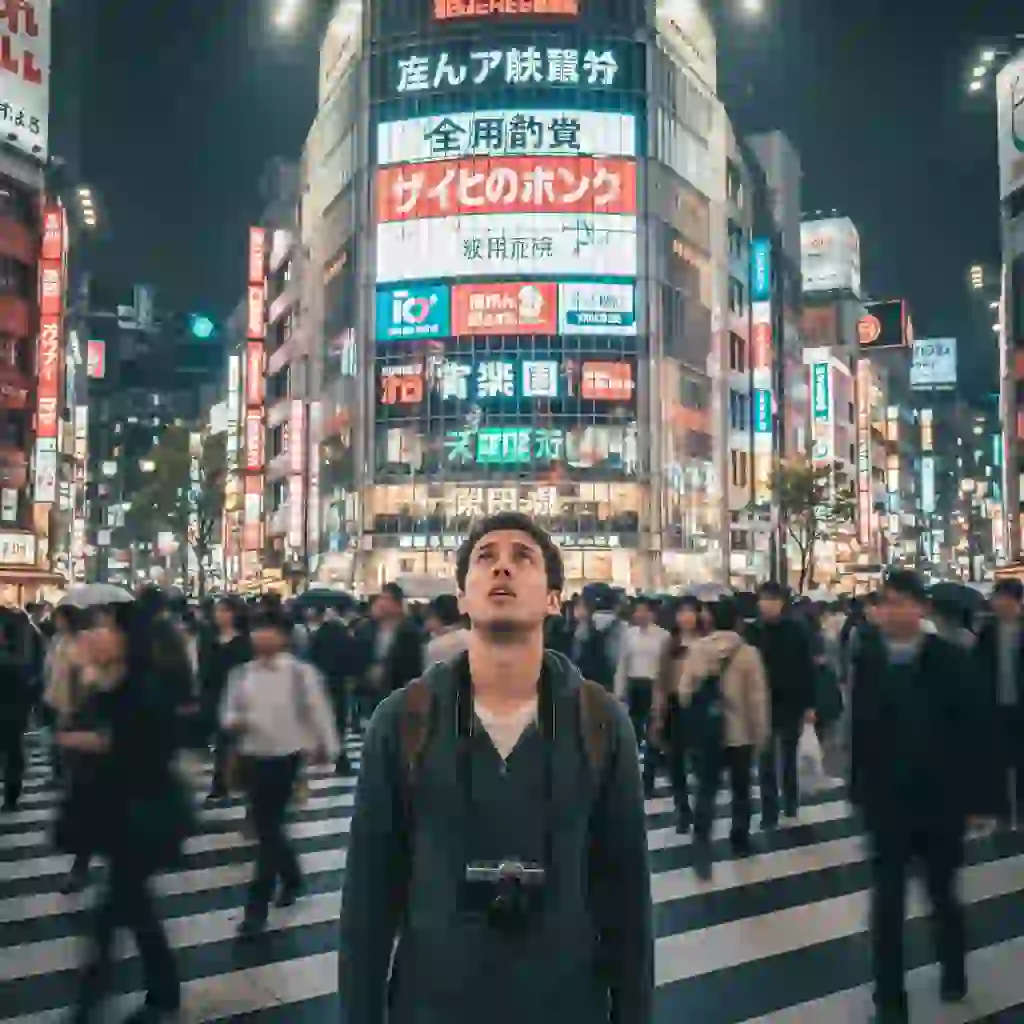
A complex Japanese sign on a busy Tokyo street can stop you. A kanji-filled menu in an authentic ramen shop might also bring your exploration to a halt. Countless travelers and Japanese language learners know this feeling well. This frustration, born of a language barrier, is a familiar pain point.
Traditional dictionaries are often slow and clunky. However, an efficient kanji translator image tool offers an instant solution. You can say goodbye to tedious typing. A quality kanji translator image lets you read information with your camera. It turns confusion into clarity in seconds.
Imagine being able to read everything in front of you like a local. You can do this all within 60 seconds. This isn't magic. Instead, it is a simple yet powerful method we will reveal in this article.
In this ultimate guide, we will walk you through the exact steps. You will learn to select and master the best kanji translator image tool for your needs. We will uncover the technology behind it. We will also provide actionable tips for real-world situations. Finally, we will review the top applications available today.
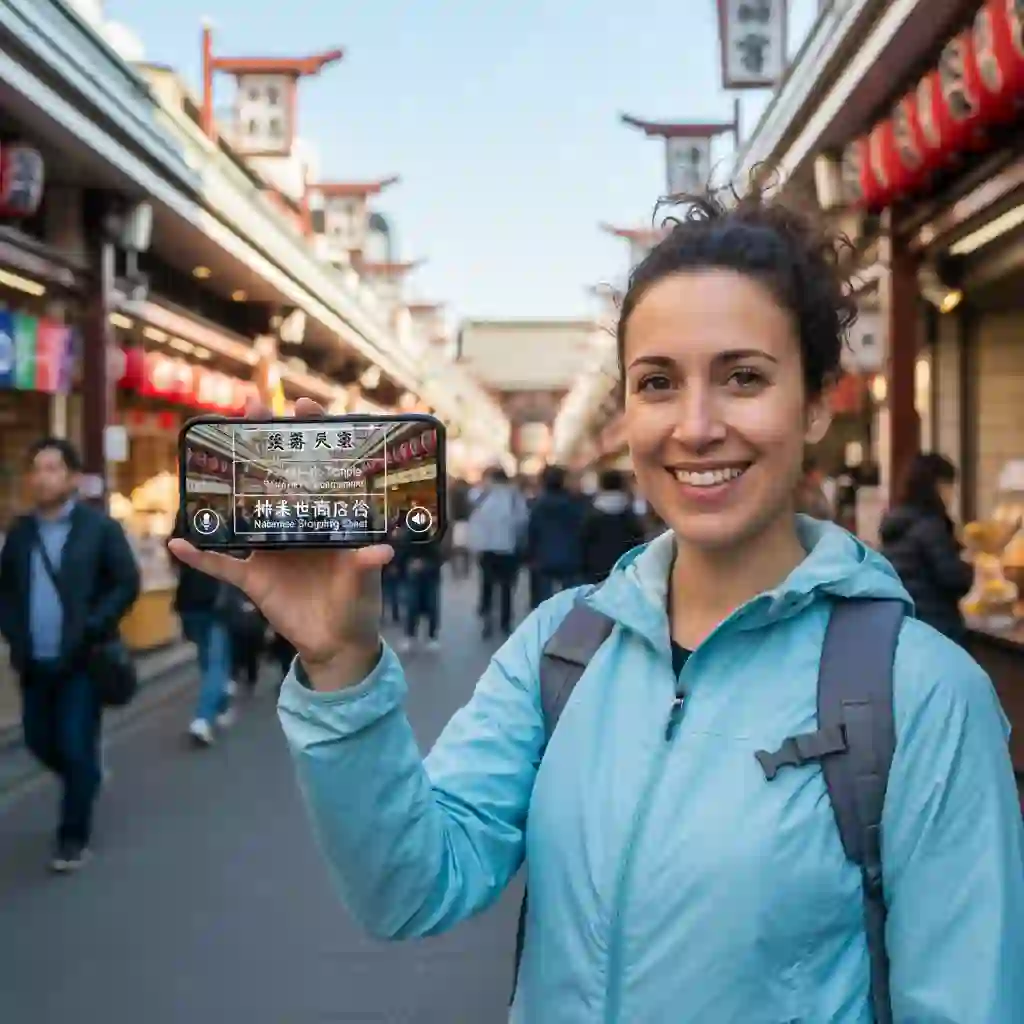
By the time you finish reading, you will be equipped to overcome any language hurdle. You will turn your phone's camera into your personal Japanese interpreter. This gives you the confidence to explore every corner of Japan without hesitation.
1.Why You Need a Japanese Photo Translator Instead of a Traditional Dictionary
In many situations, especially while traveling, a modern kanji translator image tool is highly efficient. It is far more practical than a traditional dictionary. You might find yourself in an unfamiliar Japanese environment. At that moment, you need instant, accurate answers. You do not need a time-consuming lookup process. The advantages of this tool are clear in three key areas: speed, context, and adaptability.
1.1 The Speed Gap: Looking Up vs. Instant Recognition
Flipping through a heavy dictionary is hard work. You have to find an unknown kanji by radical and stroke count. This takes an average of 2 to 5 minutes per character. For a traveler whose time is precious, this is too slow. Consider standing in a busy train station, watching commuters rush past you.
You are desperately trying to decipher which exit leads to your hotel. Using a paper dictionary or a manual input app is stressful. It requires you to identify the root shapes of the complex characters. You must count the tiny strokes perfectly. If you make even one small mistake in counting, you have to start the whole process over. Meanwhile, you miss your train and lose your patience.
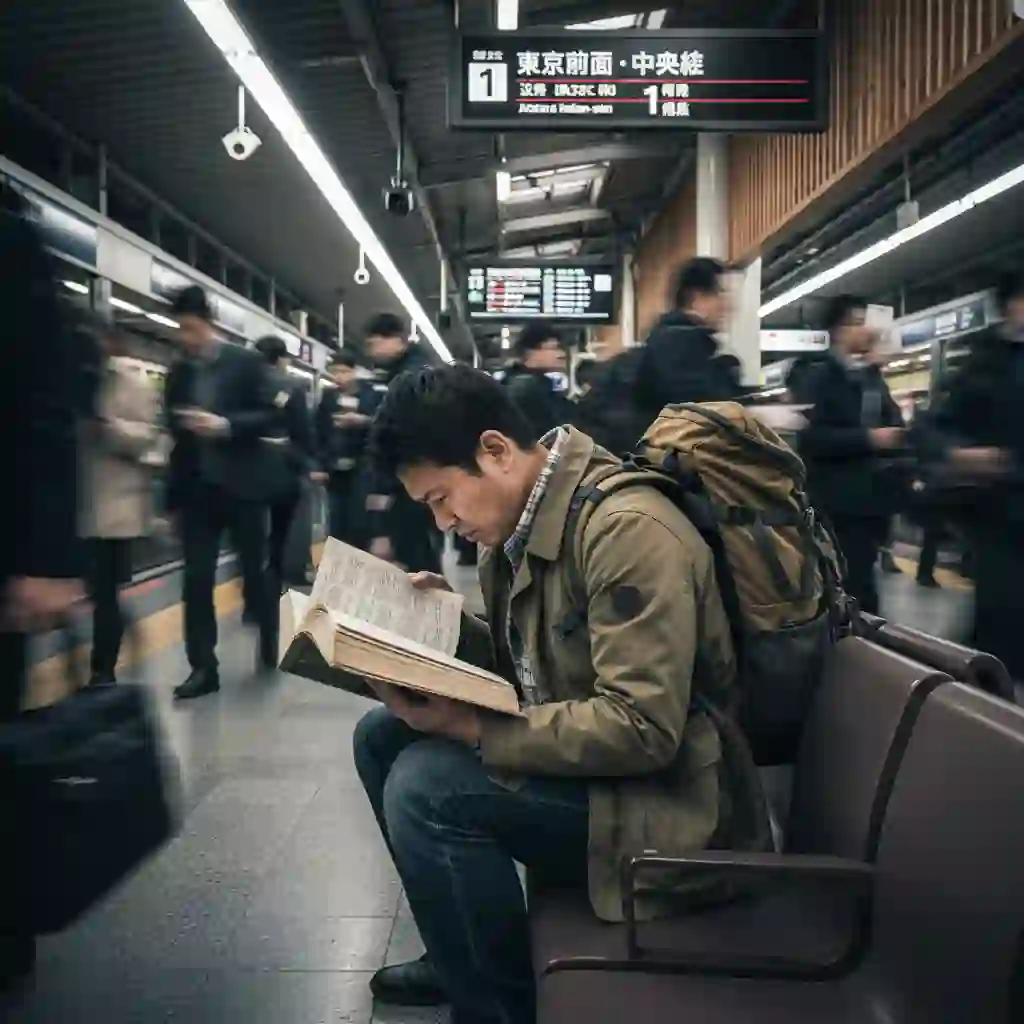
This unnecessary stress distracts you from the joy of travel and wastes valuable vacation time. In contrast, a modern kanji translator image tool acts fast. It can identify and translate text in about 5 seconds. This efficient kanji translator image is a complete game-changer. It allows you to get information instantly.
In contrast, modern kanji translator image tools respond rapidly. They can identify and translate text within about 5 seconds. Relevant discussions suggest this is a total game-changer, allowing you to access information instantly. Best camera app to read kanji
1.2 The Power of Context: Single Characters vs. Full Phrases
The magic of language lies in context. Translating single characters in isolation often leads to misunderstanding. For example, consider the common term Kaedama found in ramen shops. Translated separately, Kae means substitute. Tama means ball. The combination is meaningless on its own.
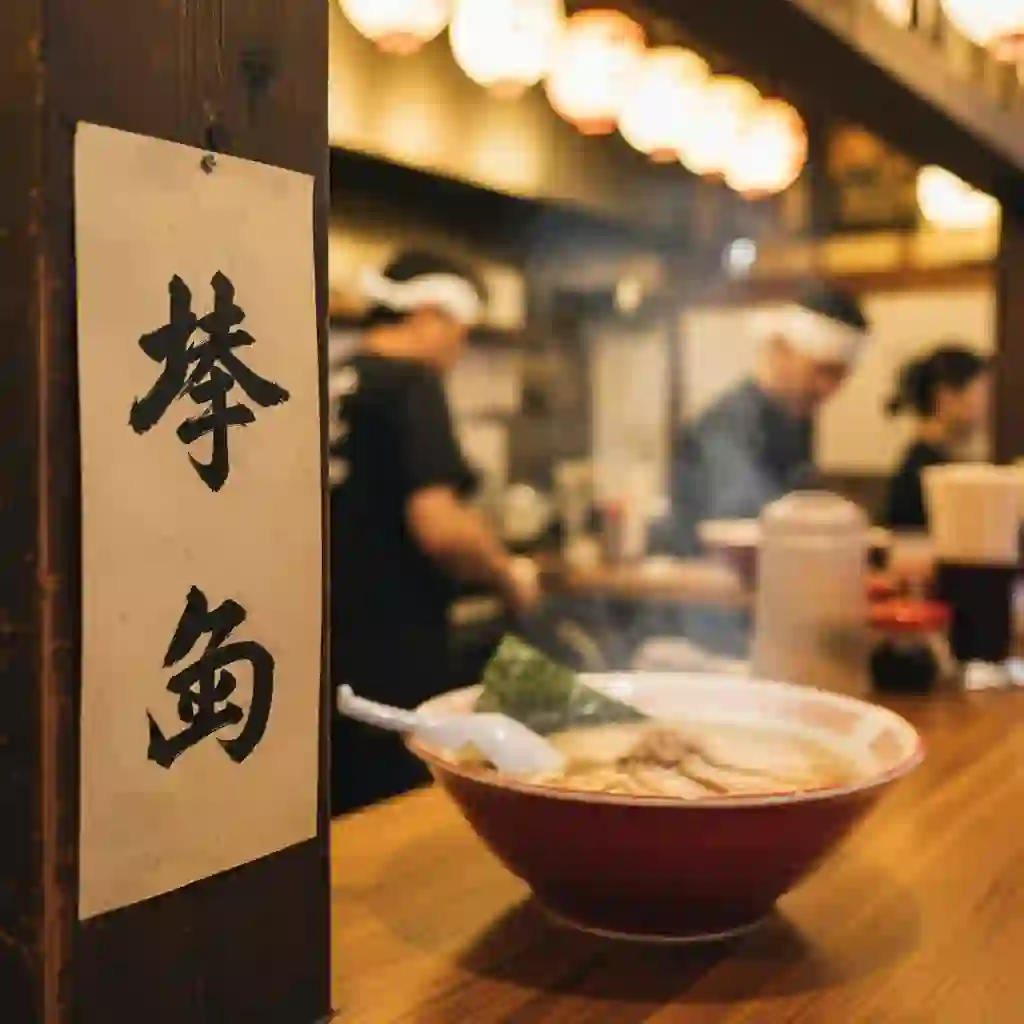
However, a quality Japanese image translator sees the bigger picture. It will translate the Japanese image as a whole phrase. It correctly tells you it means an extra serving of noodles. This is the power of a bright kanji translator image. It understands phrases, not just characters.
However, a high-quality kanji translator image tool sees the full context. It translates the entire Japanese image as phrases. This ensures "Kaedama" is correctly understood as a ramen noodle refill. How to Translate Japanese from an Image
1.3 Handling Complexity: Print, Handwritten, and Stylized Fonts
Signs and menus in Japan are full of artistic fonts. They often feature handwriting. This makes looking them up in a dictionary nearly impossible. A traditional dictionary is helpless in these situations. An advanced kanji translator image uses OCR technology.
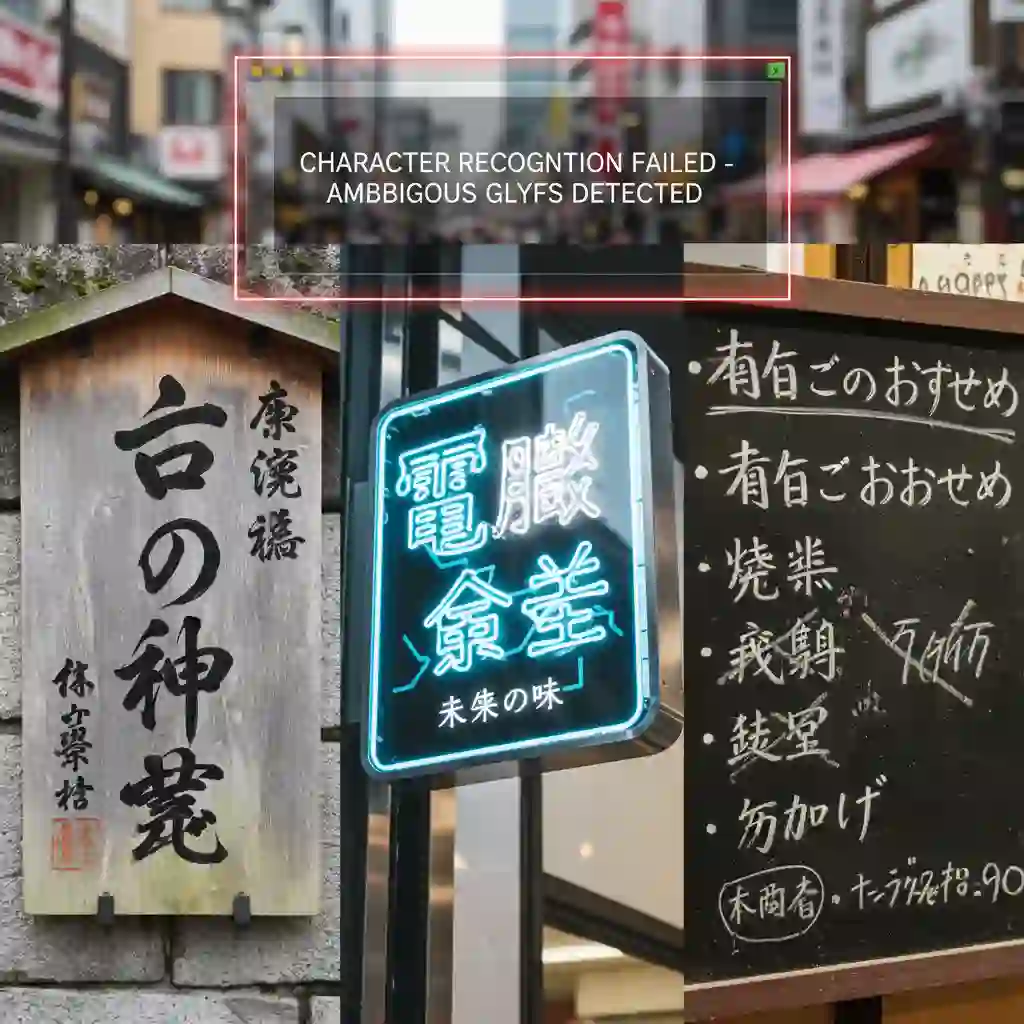
It can easily read Kanji from a picture. This works no matter how stylized the font is. This robust adaptability makes a reliable kanji translator image your indispensable Japanese photo translator. A good kanji translator image can handle these complexities. This ensures you never miss critical information.
2.Unveiling the Tech: How a Kanji OCR Tool Converts Images to Text
Have you ever wondered what happens behind the scenes? You point your kanji translator image at a picture. This process seems magical. However, it is actually a precise, three-step technological workflow. This process enables a powerful kanji translator image tool to run quickly. It quickly turns visual information into meaningful text.
2.1 Step One: Image Capture and Pre-processing
When you take a photo, a good kanji translator image tool acts first. It cleans up the image. It corrects skewed angles automatically. It enhances the contrast between the text and background. It also sharpens blurry edges. This pre-processing step is critical. It creates the best possible conditions for the next steps. It aids subsequent text recognition. This ensures a high accuracy rate.
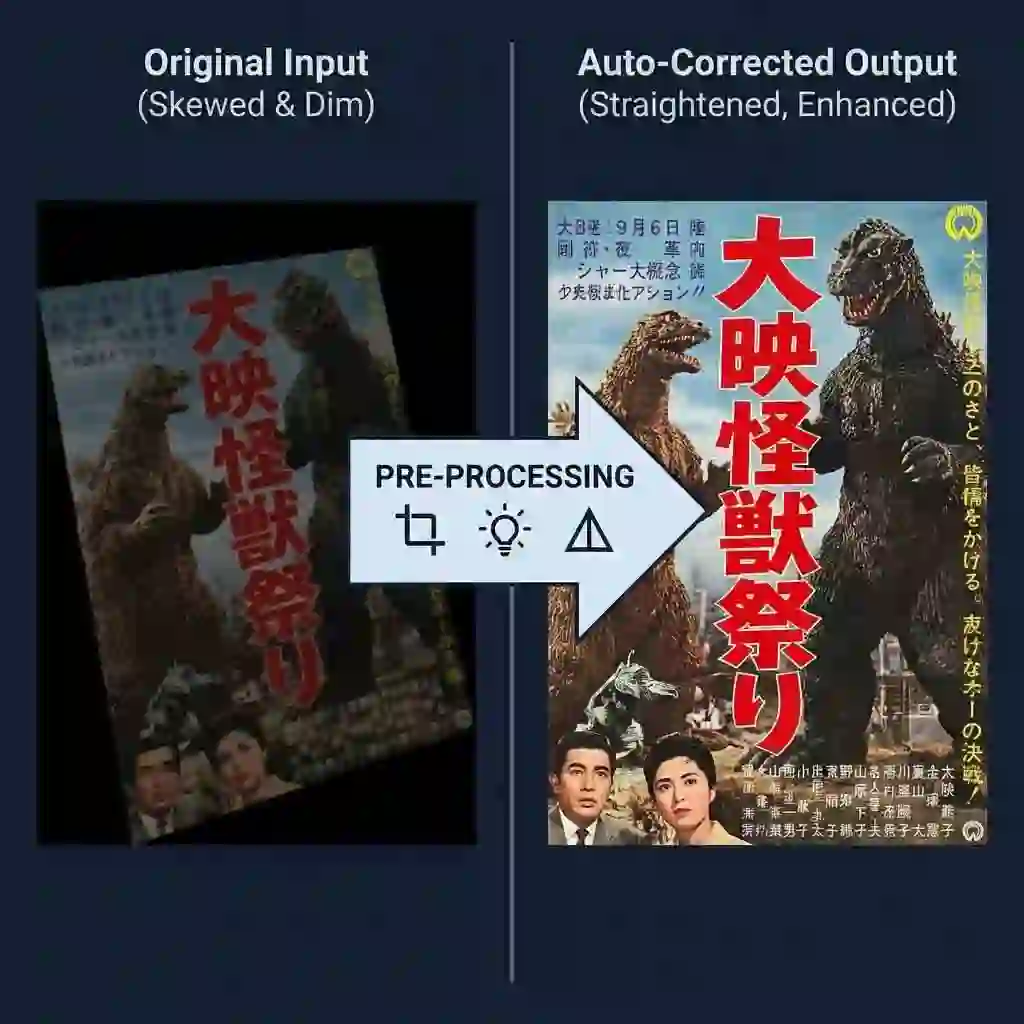
2.2 Step Two: The Magic of Optical Character Recognition (OCR)
The image gets cleaned up. Then, the core Kanji OCR tool technology gets to work. You can think of it as a robot that knows how to read. It scans the image's strokes and structures individually. It matches them against a database of tens of thousands of kanji characters.
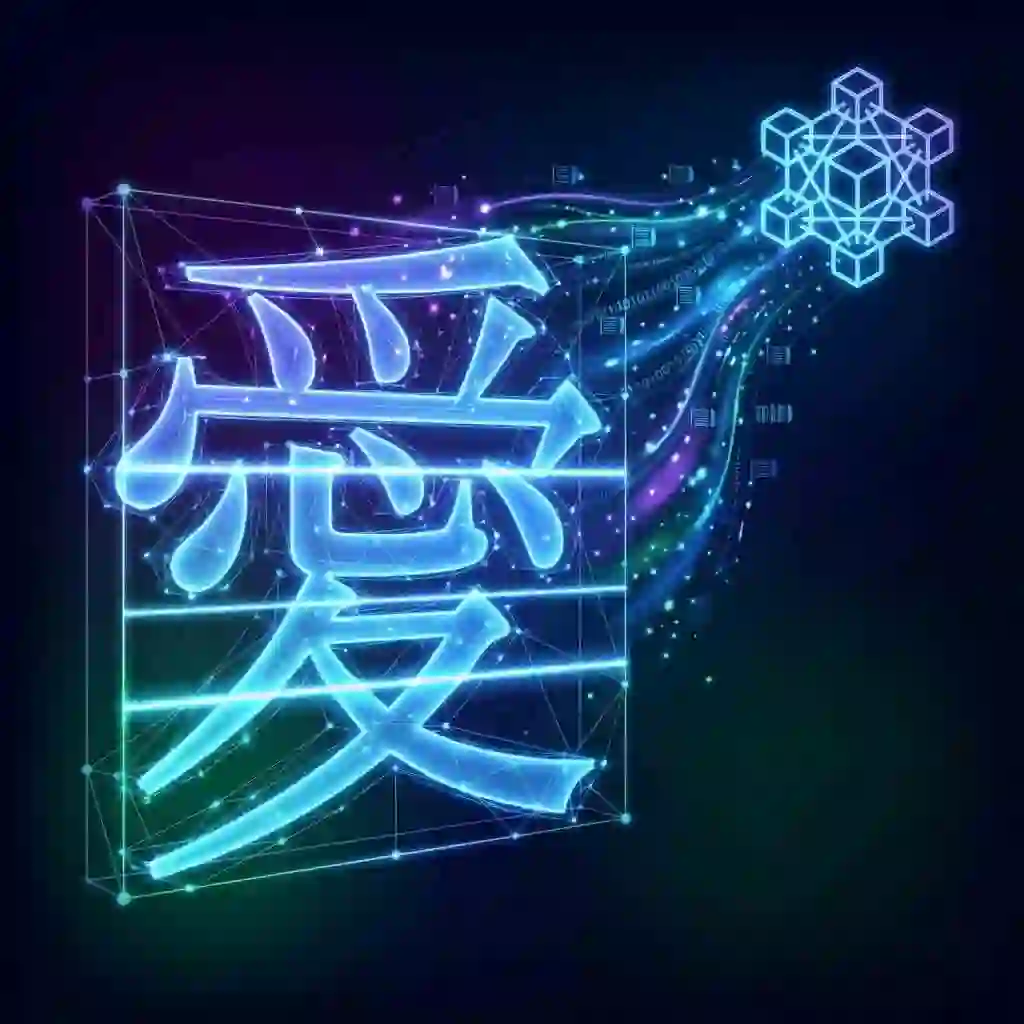
This process serves as an image to word converter. It is responsible for translating pixel data into text. A computer can understand this data. A powerful kanji translator image relies on this technology to scan and translate Kanji.
The kanji translator image scanner analyzes strokes to match a database of tens of thousands of characters. This video demonstrates this effect very well. How to Translate Japanese Image Text to English
2.3 Step Three: The AI-Powered Translation Engine
OCR technology only recognizes the characters. It does not understand their meaning. At this point, the tool sends the recognized text to a powerful engine. This is an artificial intelligence translation engine. Advanced AI translate image tools use AI models. These models analyze the grammar and context of the entire sentence.
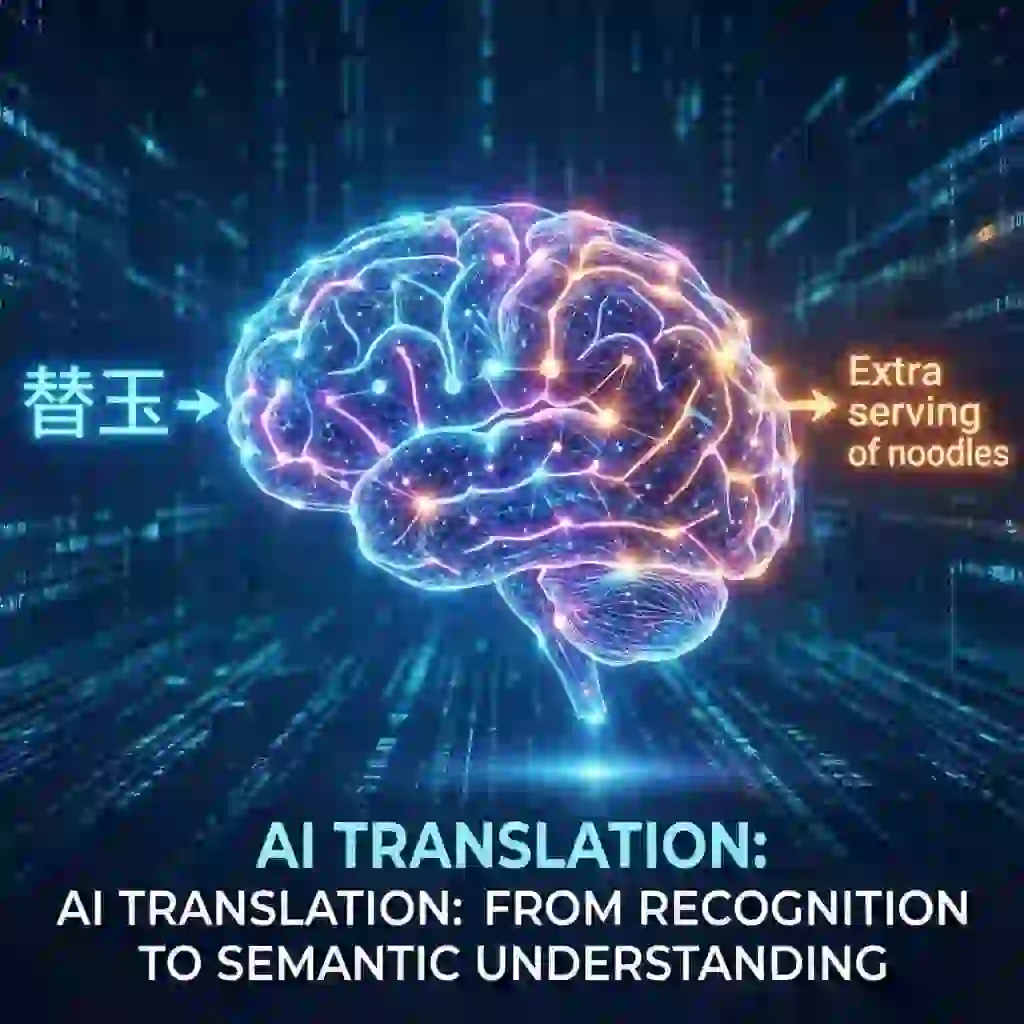
They provide a natural and fluid translation. This is what makes modern kanji translator image tools so intelligent. This AI engine separates a kanji translator image from a simple recognition tool. Ultimately, this seamless, three-step process helps you. It makes your kanji translator image an incredibly efficient translation assistant.
3.Get It Done in 60 Seconds: A Step-by-Step Guide to Using a Kanji Translator image
Enough with the theory. It is time for practical action. You can master the proper steps. This will unlock the full potential of your kanji translator image tool. This simple, four-step process is effective. It ensures you can read any Japanese text quickly and accurately. You can do this in under 60 seconds. Let's begin.
3.1 Preparation Phase: Find Good Light and Hold Steady (0-10 seconds)
A clear photo is the foundation of a successful translation. Check the scene before you tap the shutter button. Make sure there is sufficient light. Try to avoid shadows or reflections on the text. Most importantly, hold your phone steady. A blurry image can cause problems. It can render even the best kanji translator image tool useless. This is the first step to successfully reading Kanji from a picture.
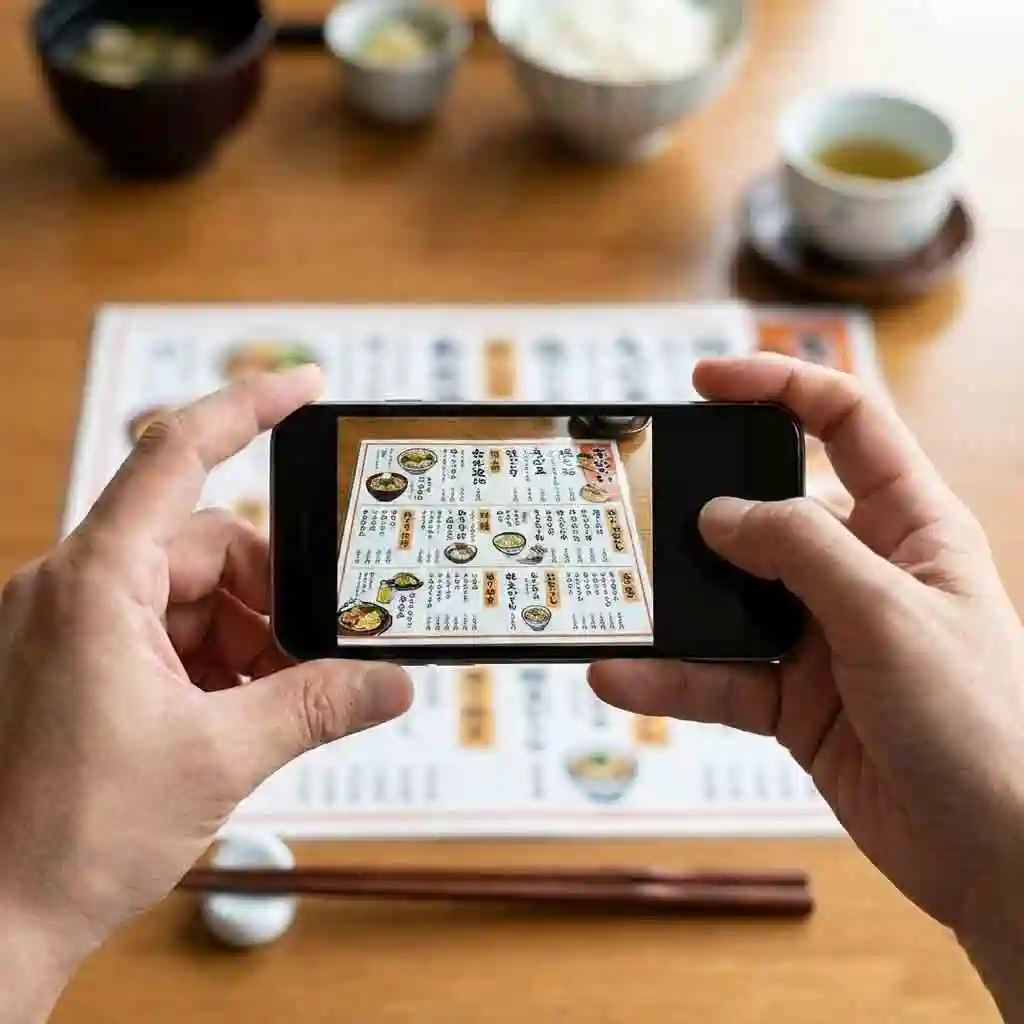
3.2 Execution Phase: Open the App and Aim (10-20 seconds)
Now, open your chosen Japanese photo translator application. Most apps offer two modes. You can use live camera translation or translate after taking a picture. Live mode is more convenient for glances at things like street signs. Other content, like a menu, requires careful study. For this, it is better to take a full photo first. Your kanji translator image will work great in both modes.
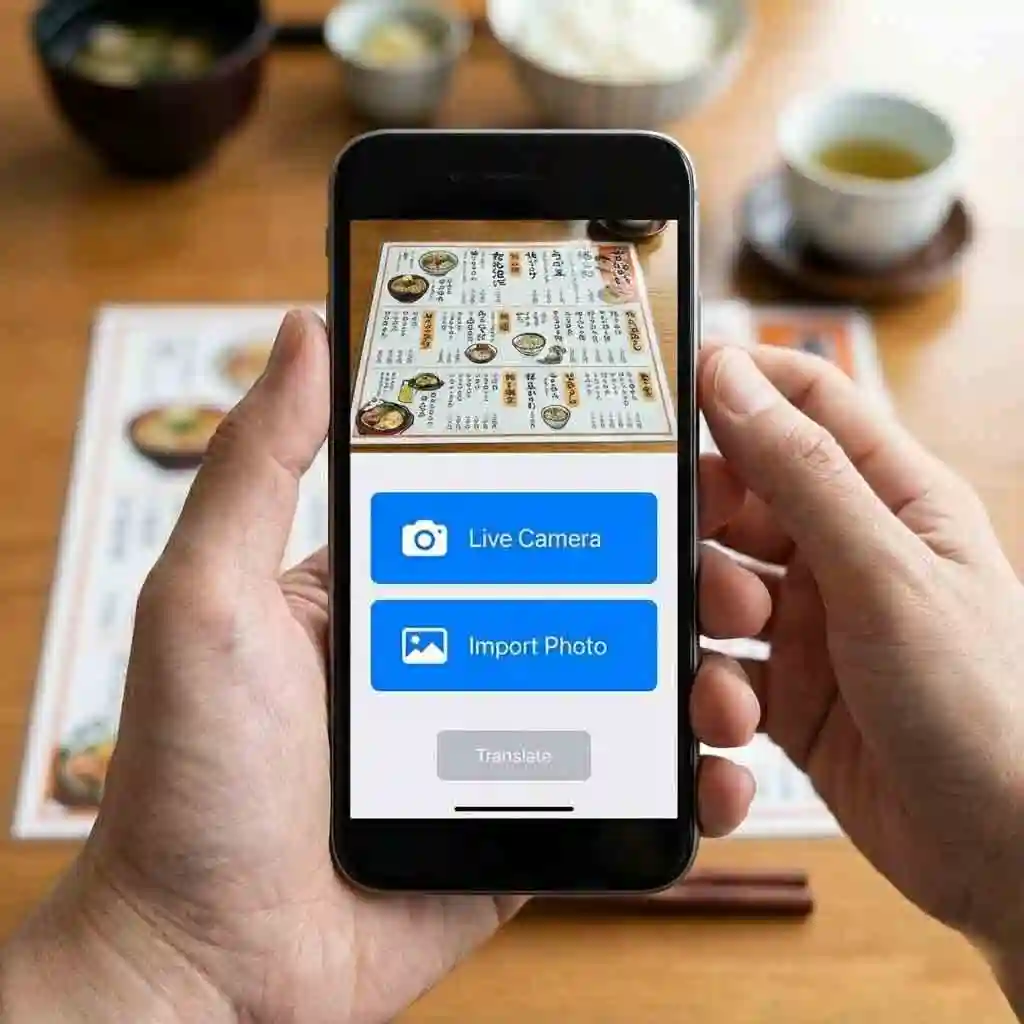
3.3 Recognition and Translation: Scan and See the Magic (20-40 seconds)
Aim your camera at the text you want to translate. Then tap the scan or shutter button. This is where the magic happens. Your kanji translator image tool will detect the text on the screen. It highlights recognizable characters automatically.
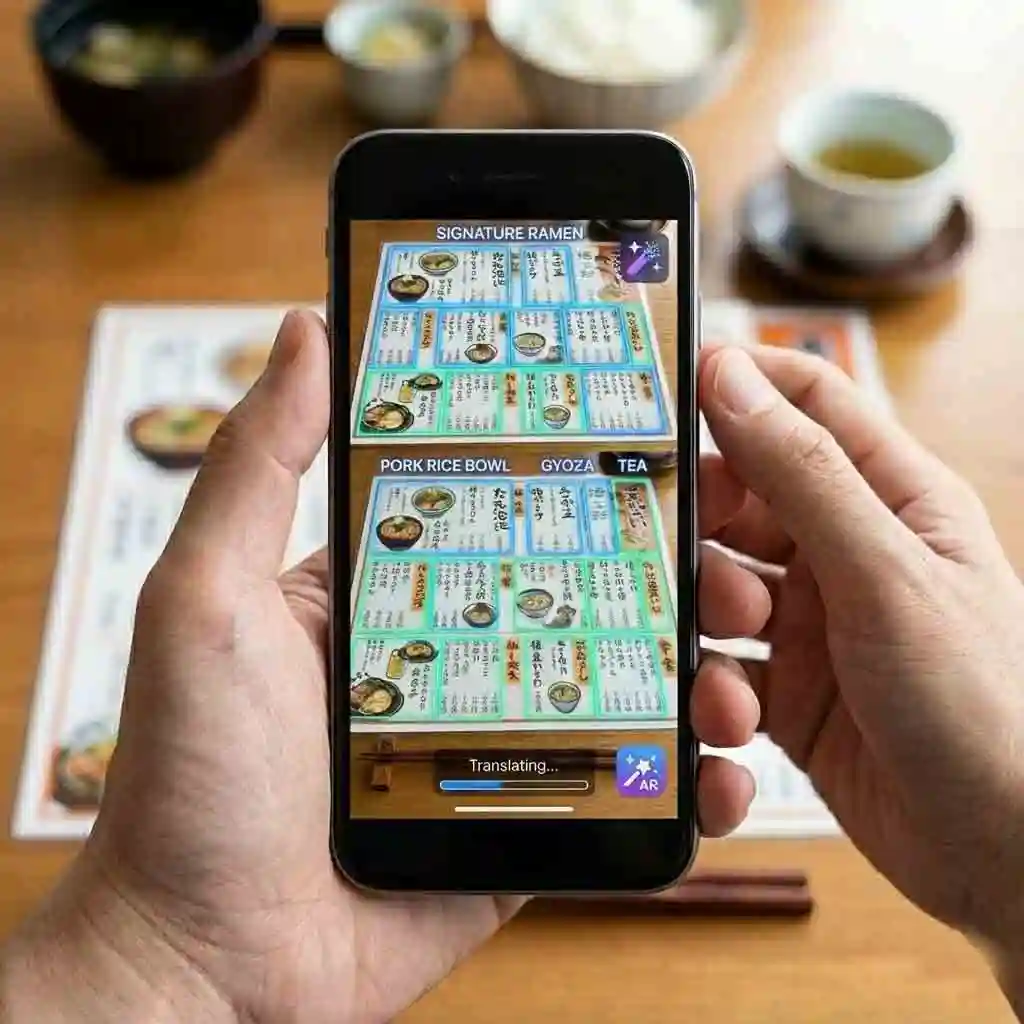
The translation displays within seconds. This process of scanning and translating Kanji is nearly instantaneous. It allows you to translate a Japanese image immediately. Speed and accuracy are critical at this stage. A great kanji translator image excels here.
3.4 Comprehension and Verification: Check Key Information (40-60 seconds)
AI translation is powerful. However, it is not 100% perfect. The final step is a quick verification. Imagine you use your kanji translator image on a lunch menu. The result might say Special Chicken Ramen. You should then verify key data. Check the price, like ¥980.
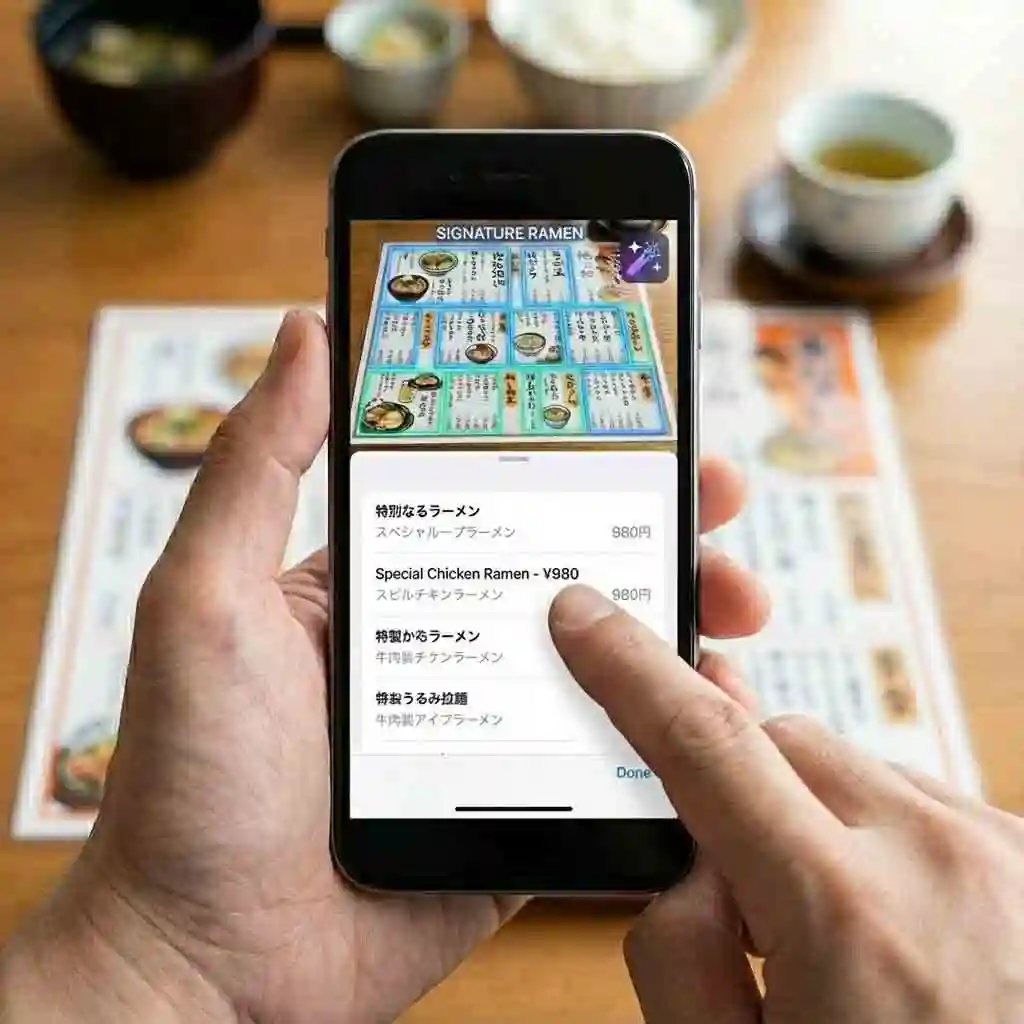
Look closely at allergen information. It is crucial to develop this cross-checking habit. Do this when you translate Japanese from an image with any tool. This ensures your kanji translator image serves as a reliable assistant. It should not be a source of incorrect decisions.
4.The 3 Best Kanji Translator Image Tools We've Selected
Countless kanji translation image tools are available on the market. Not all of them will meet your specific needs. Some excel in speed. Others offer superior accuracy. We tested numerous applications to help you make the best choice. We have selected the following three outstanding kanji translator image tools for you.
4.1 The All-Around Top Pick: Google Translate
Google Translate is a convenient starting point for most users. It is reliable. It is more than just a text translator. It is a comprehensive image of a kanji translator. Its iconic live camera feature is called Word Lens. It allows you to point your phone at Japanese text. The translation appears on your screen in real-time. This makes it easy to Read Kanji from a picture.
The most significant advantage of this Japanese photo translator is its versatility. It is also very easy to use. It supports offline language pack downloads. This means your kanji translator image still functions without an internet connection.
This is a crucial feature for travelers in Japan. It works on menus, street signs, or product manuals. It can scan and translate Kanji quickly. For most everyday needs, this kanji translator image is powerful enough.
Google Translate's real-time camera translation for Japanese has existed for a long time, and relevant discussions can be viewed here. Best photo translator for Japanese?
4.2 The Asian Language Specialist: Papago
You might require a professional kanji translator image. This is true when dealing with complex Japanese honorifics or subtle context. In this case, Papago is your top choice. Naver Corporation in Korea developed this tool. This Japanese image translator is recognized for its performance. It leads the field in handling Asian languages. Its translations are often very natural. They are closer to native speech patterns than those of other tools.
Google is more famous, but Papago is a top-tier kanji translator image. Its image translation function is excellent. You might need to translate Japanese image screenshots of business emails. These often contain tricky honorifics.
You might also read excerpts from literature. Papago's high accuracy will impress you. Japanese grammar is structurally similar to that of Korean. Since Papago originates in Korea, its underlying algorithms handle this sentence structure better than those of Western competitors. It understands the polite levels and social context embedded in Japanese text. This creates a smoother reading experience.
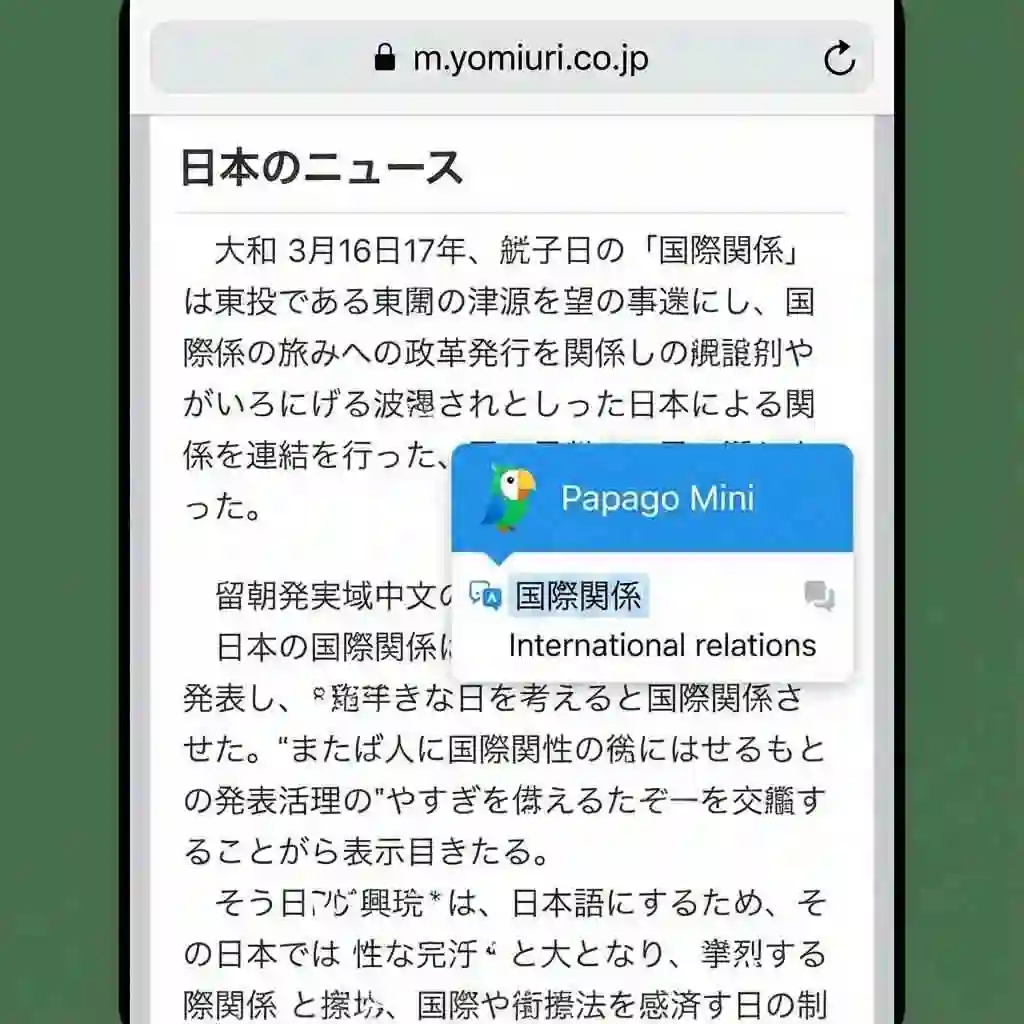
You will notice fewer awkward phrasings. The app also features a user-friendly interface designed specifically for language learners. It offers a Mini mode for quick lookups while browsing other apps. This attention to detail makes it superior for serious study.
If you want to understand the text's soul rather than just its literal meaning, this tool is essential. For Japanese learners and business professionals, quality matters. This kanji translator image is a trustworthy companion.
4.3 The Online Layout Master: ai image translator
An AI image translator is a unique kind of kanji translator image. It focuses on solving one key pain point. It preserves the original layout during translation. This is an entirely web-based tool.
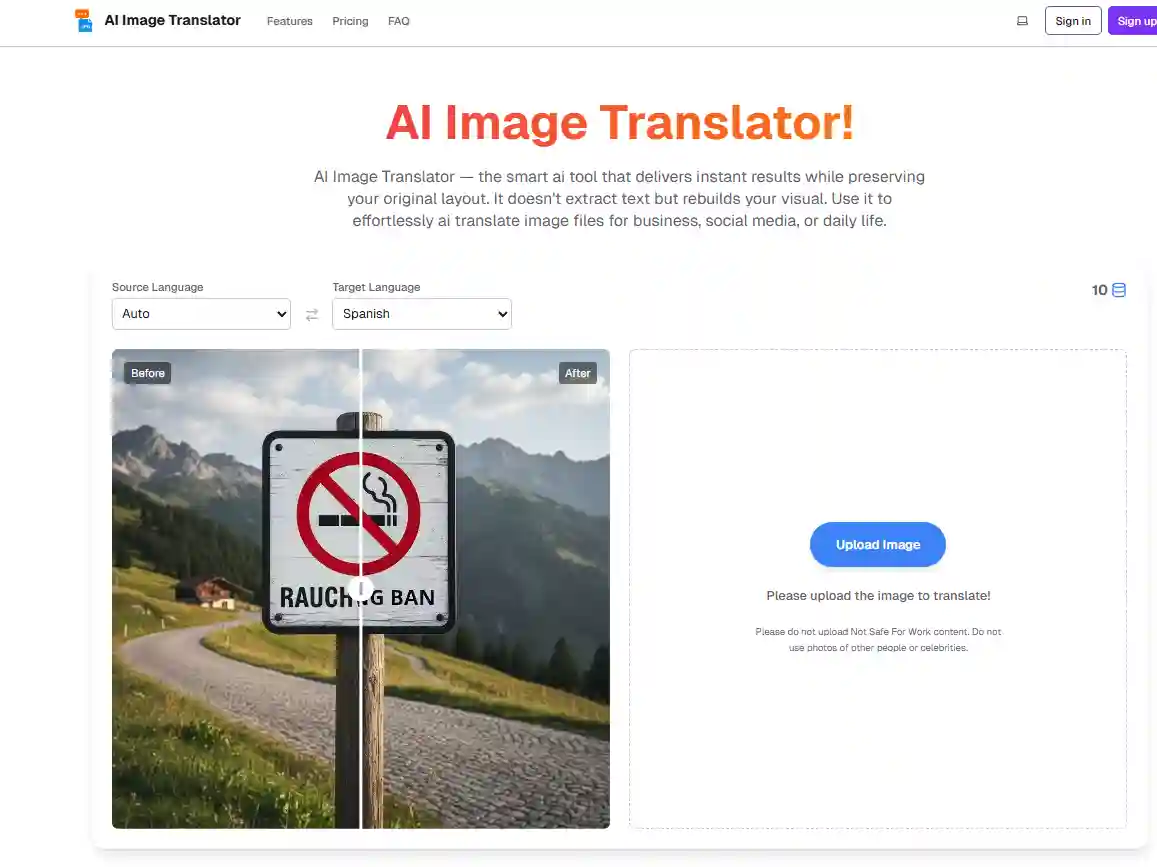
You do not need to download any application. You just open your browser and upload an image. This convenience makes it an excellent image for a kanji translator. It is ready to use immediately.
The most impressive feature of this online kanji translator image is its technology. It uses ai translate image tech. The translated text replaces the original text in the image. The font, size, and position remain consistent with the original layout. This feature makes it the best kanji translator image for specific tasks.
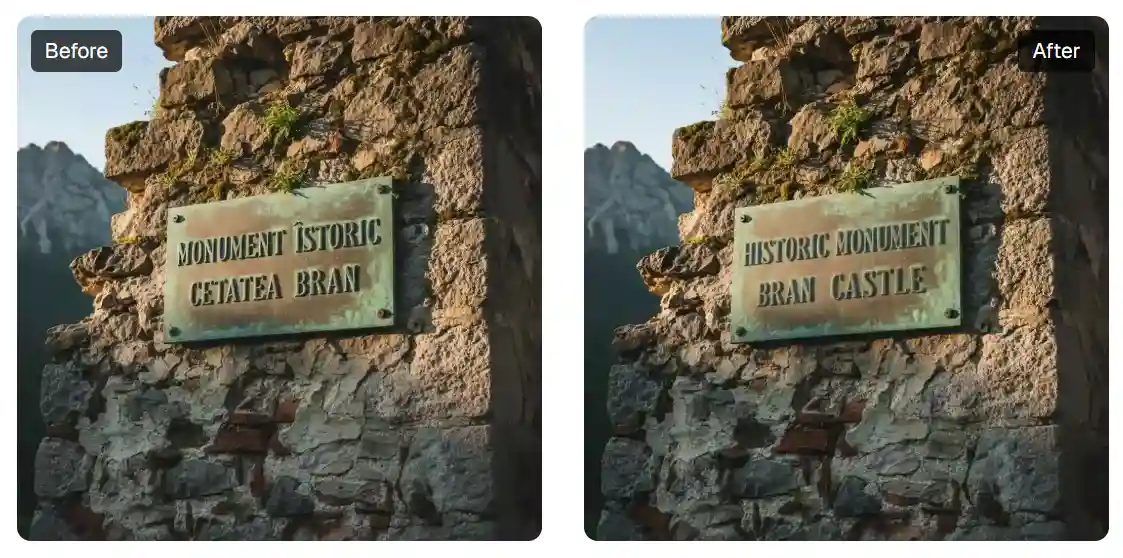
It is excellent for manga, product catalogs, or complex documents with graphics. It also offers a free trial. You can experience its powerful capabilities yourself. Are you looking for an install-free kanji translator image? Do you need layout preservation? This is your answer.
| Tool | Primary Use | Real-time Camera | Context Accuracy | Layout Preservation | Offline Mode |
|---|---|---|---|---|---|
| Google Translate | Travel, menus, signs | Yes (Word Lens) | Good for general phrases | Basic overlay; no full layout keep | Yes (language packs) |
| Papago | Honorifics, nuanced text | Yes | Strong for Asian languages | No full layout preservation | Limited |
| AI Image Translator | Documents, manga, catalogs | No live camera; upload images | High with AI models | Yes; preserves fonts/positions | Web-based (no offline) |
We support 100+ languages and, serving as a versatile kanji translator image solution, we not only quickly translate text within pictures but also utilize smart background restoration technology to perfectly preserve the original layout and design style. Use our powerful AI image translator to instantly translate text It also features capabilities to extract text from images. Transform content into editable digital text There is also a powerful manga translation tool; simply upload a manga page to get an accurate translation instantly. Snap a photo to instantly translate manga
5.Conclusion and Call to Action
You have now mastered the correct method for using a kanji translator image. You have moved from theory to practical skill. Choose a powerful tool like Google Translate, Papago, or ai image Translator. You now hold the master key to Japanese culture and daily life.
These tools bridge the gap between confusion and comprehension. They do so instantly. Complex kanji are no longer an intimidating obstacle. Instead, they become the starting point for your exciting journey of discovery.
Do not hesitate any longer. Language should never be a barrier to exploring the world. Choose the kanji translator image from our recommendations that suits your needs. Put it to the test right now. Find your first Japanese image.
It could be a menu, a sign, or a page from a manga. Experience the magic of understanding it in seconds. See for yourself how a powerful kanji translator image works. It turns your phone into a universal key for exploring Japan. You can do this all in under 60 seconds.