The Ultimate Guide to Chinese Image Translator: 5 Best Tools to Translate Chinese from an Image in 2025
Published on December 4, 2025
Imagine you're in a restaurant, reading a menu full of Chinese characters. You feel lost. Or at work, you receive a critical report as an image you can't copy. These scenarios highlight communication breakdowns caused by language barriers.
Love scrolling through Chinese social media but can’t read Chinese? For example, what if you encounter unreadable Chinese on Xiaohongshu (Little Red Book)? This video tutorial shows how to combine Shortcuts and Google Lens to translate Chinese text on your phone screen with one click. (Translate Mandarin text on apps like Redbook)
These language barriers used to frustrate people. Now, they have an elegant solution: a modern Chinese image translator. This technology acts as your personal interpreter. It bridges the gap between what you see and what you understand.
It empowers you to make sense of visual information. You can do this even in a language you have never studied.
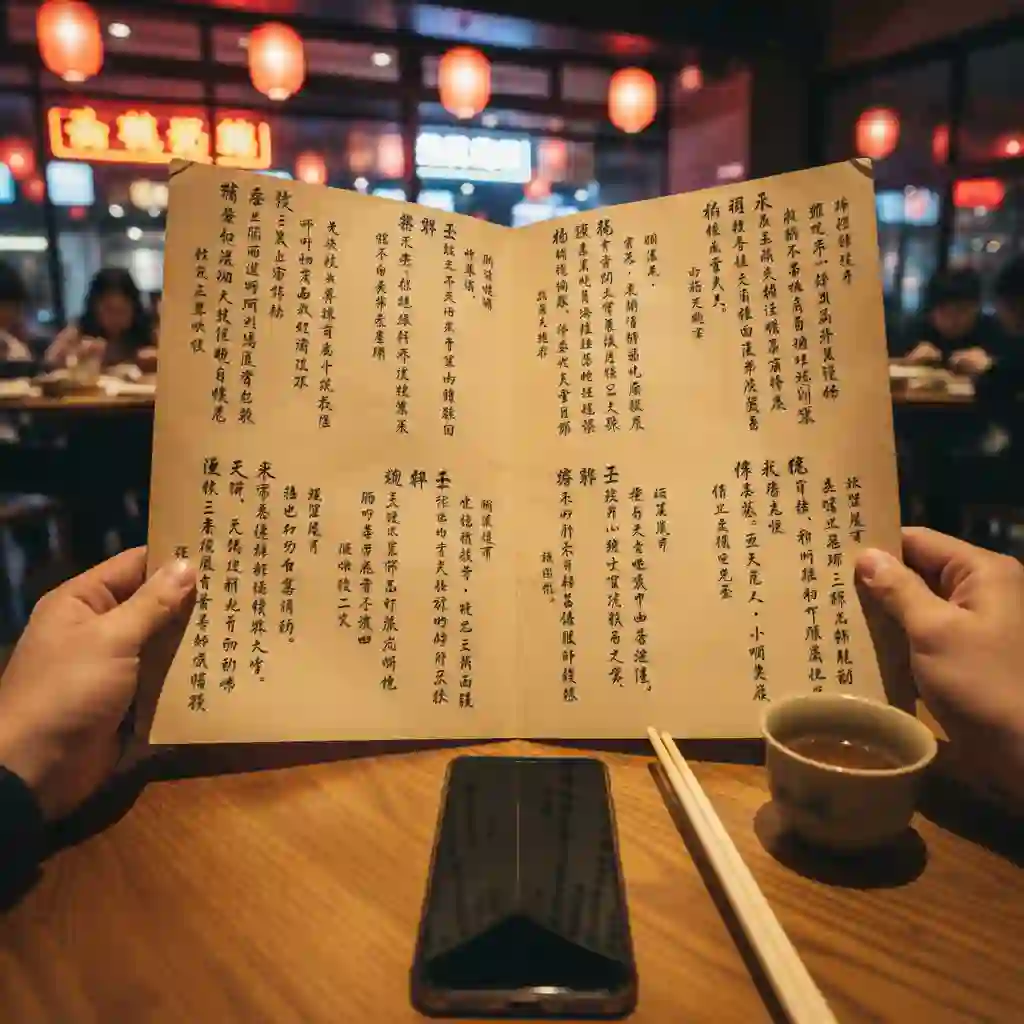
This guide reveals how these tools convert Chinese characters in images into readable text, with detailed reviews and a comparison of the top five tools for 2025. You'll quickly identify the best fit for your needs.
You will finish reading with the knowledge to select the perfect Chinese image translator for your needs. Are you a traveler navigating a new city? Perhaps you are a professional handling international documents. You might be a student learning the language. This guide provides actionable insights and practical tips.
Are you ready to transform any picture with Chinese text? This includes menus, street signs, and documents. You can turn them into a language you can act on. Let's dive in. Discover how the right Chinese image translator removes the visual language barrier from your life.
1.Why You Need a Chinese Image Translator? Unlock Seamless Communication
Images are a universal language in our interconnected world. However, a barrier appears when those images contain Chinese text. A powerful Chinese image translator is more than a convenient gadget.
It is a bridge connecting visual information to your understanding. Travelers, business professionals, and students all benefit. This tool unlocks unparalleled convenience. It frees you from language constraints in visual media.
1.1 Scenario One: Travel and Living Abroad
For any traveler, a reliable Chinese image translator is an essential survival tool. Imagine you are on a food street in Chengdu, captivated by a local menu. This was Sarah’s experience. Using a Chinese camera translator app on her phone, she simply pointed her camera at the menu. The English translations for each dish appeared on her screen instantly.
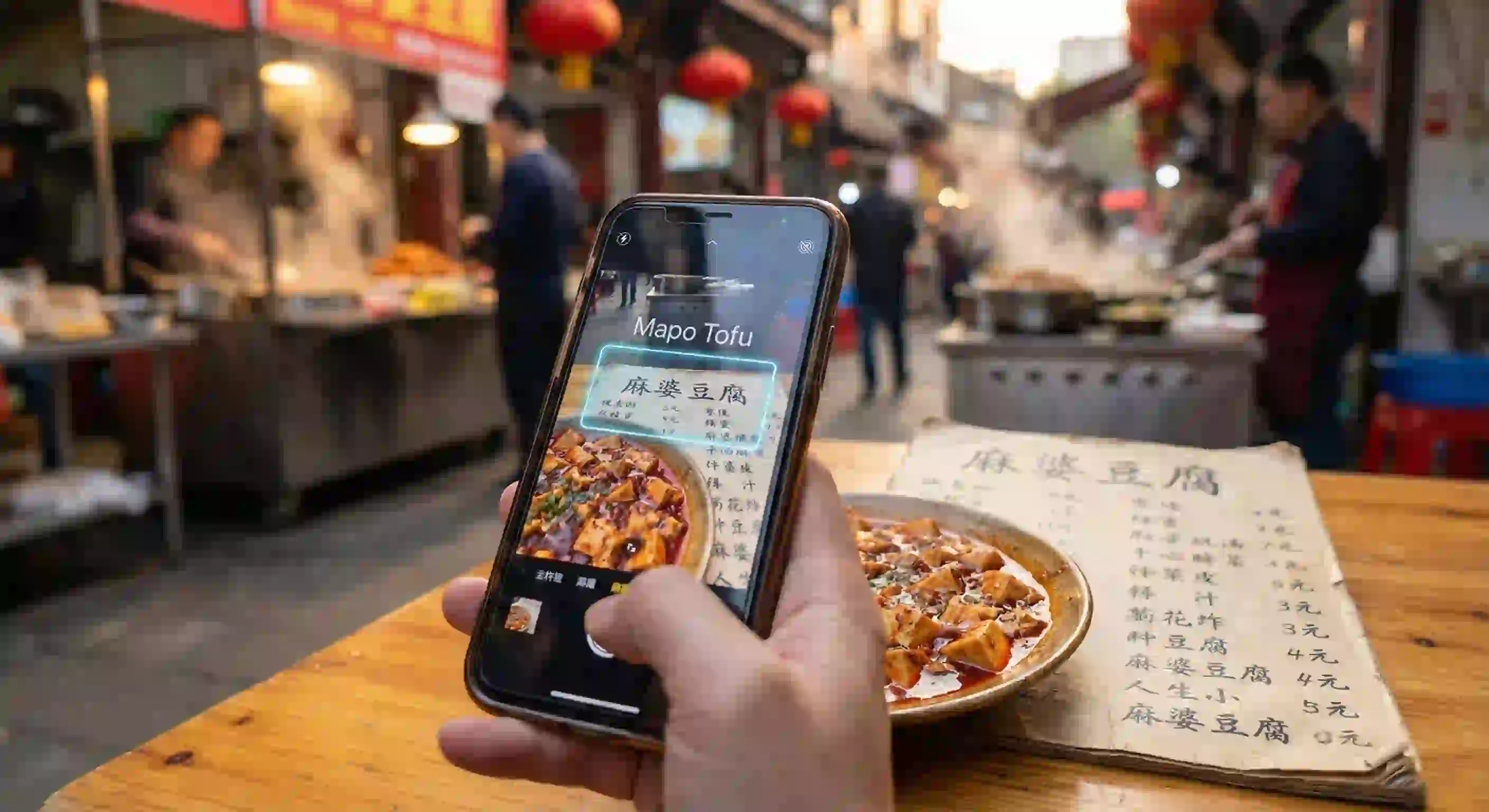
This simple action allowed her to order authentic Mapo Tofu with confidence. She avoided ordering something unexpected. This tool transforms exploration. It helps you read street signs and understand product labels. Every journey becomes confident. You can instantly translate Chinese from picture sources. This turns moments of confusion into moments of discovery.
Traveling in China, such as Taiwan, and can’t read road signs or menus? Check out this video. It introduces practical “Taiwan travel hacks” to instantly understand traditional Chinese menus and easily order the food you want. (How to order food from a Chinese menu)
1.2 Scenario Two: Business Communication and Document Handling
In the fast-paced business world, time is money. Industry reports reveal a striking fact. Over 60% of international business communication involves non-editable files. These include images, scans, or PDFs. You might receive a price quote as an image. Perhaps a Chinese partner sends a WeChat screenshot. An efficient AI image translator becomes critical in these moments.
You no longer need to type characters by hand. You do not need to ask for help. A professional Chinese image translator boosts productivity. It helps avoid costly risks caused by misinterpretation. This ensures smooth cross-cultural collaboration.

1.3 Scenario Three: Language Learning and Academic Research
A Chinese image translator helps Mandarin students learn interactively by instantly translating unfamiliar characters. Instead of searching a dictionary, simply take a photo to get the translation and context, accelerating vocabulary acquisition.
Researchers also benefit. Extracting data from Chinese charts or historical documents becomes effortless. It works on academic posters, too. A high-quality Chinese image translator does more than just translate Chinese from a picture. It becomes an essential assistant for your academic pursuits. It makes knowledge accessible without barriers.

2.How an AI Image Translator Works: Unmasking the OCR Magic Behind It
A Chinese image translator uses artificial intelligence to rapidly convert images containing Chinese text into fluent English. This three-step process makes modern AI image translators both fast and accurate. Let's break down how this technology works.
2.1 Step One: Image Recognition and Pre-processing
It all starts the moment you capture a photo with your app. The app doesn't immediately begin translating after you capture the image. Instead, it performs "pre-processing." AI algorithms analyze the image quality.
They automatically correct skewed angles and brighten dark areas. They also reduce digital noise or blur. The process works like a professional photo editor. This critical first step ensures the text is clear. It lays the foundation for an accurate Chinese image translator.

2.2 Step Two: Optical Character Recognition (Chinese OCR to English)
The core technology gets to work after optimization. This is Optical Character Recognition (OCR). Think of OCR as digital eyes. They scan the picture and identify the characters.
This specific task uses Chinese OCR-to-English technology. It is far more complex than recognizing the Latin alphabet. English has 26 letters. However, there are thousands of common Chinese characters. Each one has a unique stroke structure.
A sophisticated Chinese image translator needs a powerful OCR engine. It must distinguish between simplified and traditional characters. It even handles artistic fonts. The accuracy of this engine determines the quality of the final translation.

2.3 Step Three: AI-Powered Machine Translation
The AI translation engine takes over once the OCR extracts the Chinese characters. Older tools translated word-for-word. Modern Chinese image translation tools differ.
They use Neural Machine Translation (NMT). NMT technology understands the context. It grasps the grammatical logic of the entire sentence. It does not just look at isolated words.
For example, it knows "打车" means "to hail a taxi," not "to hit a car." This advanced AI allows today's tools to provide better translations. The results are natural, fluid, and human-like. This makes a great Chinese image translator intelligent and reliable.

3.The 5 Best Chinese Camera Translator Apps & Tools for 2025
Many Chinese image translator tools flood the market. However, not all deliver an accurate and swift experience. We want to help you choose. We tested and analyzed dozens of applications. We selected these top five performers. Each one excels in a specific area.
There is a Chinese image translator here for your needs. We will review each app in detail. This helps you translate Chinese from an image with ease.
3.1 Google Translate - The All-Round Champion
Google Translate is synonymous with the term Chinese image translator. It is the first choice for most people. Its "Google Lens" camera feature is powerful. Point your camera at any Chinese text.
It uses augmented reality (AR). It replaces the original text with a real-time translation. In our tests, the response time for translating menus and street signs was under a second.
It is a versatile photo translator from Chinese to English. Its strengths are clear. It is completely free. It supports offline packages for over 100 languages. However, it has notable drawbacks. Network conditions impact its stability and speed. This happens often when used in mainland China.
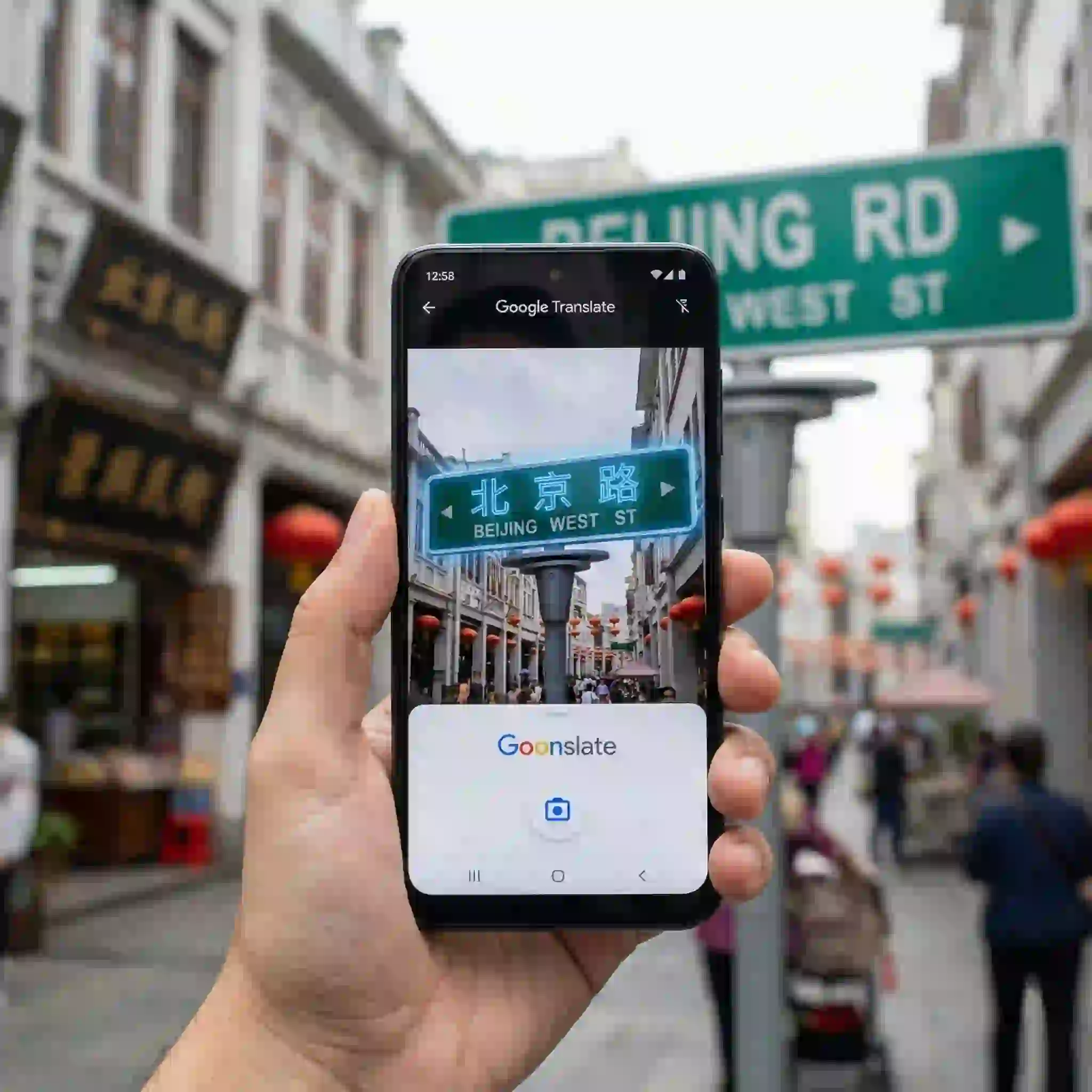
Furthermore, translations can sometimes feel robotic. This occurs with long sentences containing technical jargon or complex grammar. This Chinese image translator struggles with those complexities.
Best for: Casual tourists, backpackers, and everyday users. It is for those who need quick translations in various scenarios. For them, it is one of the best Chinese image translator tools available.
This thread delves into the best apps for real-time translation of Chinese text in images on Windows and mobile devices.
 Join the discussion for real-time Chinese character translation with a chinese image translator
r/chinalife • Any Windows or Mobile apps for quick real-time translation?
3.2 Microsoft Translator - The Business Professional's Choice
Do you need to process images for work? Microsoft Translator is a more professional Chinese image translator. It integrates with the Office suite. This makes it convenient for handling Chinese text.
It works well with document screenshots, PowerPoint presentations, and scanned PDFs. Its Chinese OCR-to-English technology is stable. It is precise when identifying printed characters.
Microsoft's AI image translator uses a "snap and translate" model. This differs from Google's live AR translation. It suits business contexts better. You can review and save the results. We tested its accuracy. It is about 10% higher than Google's when translating formal documents. This includes business contracts and technical reports.
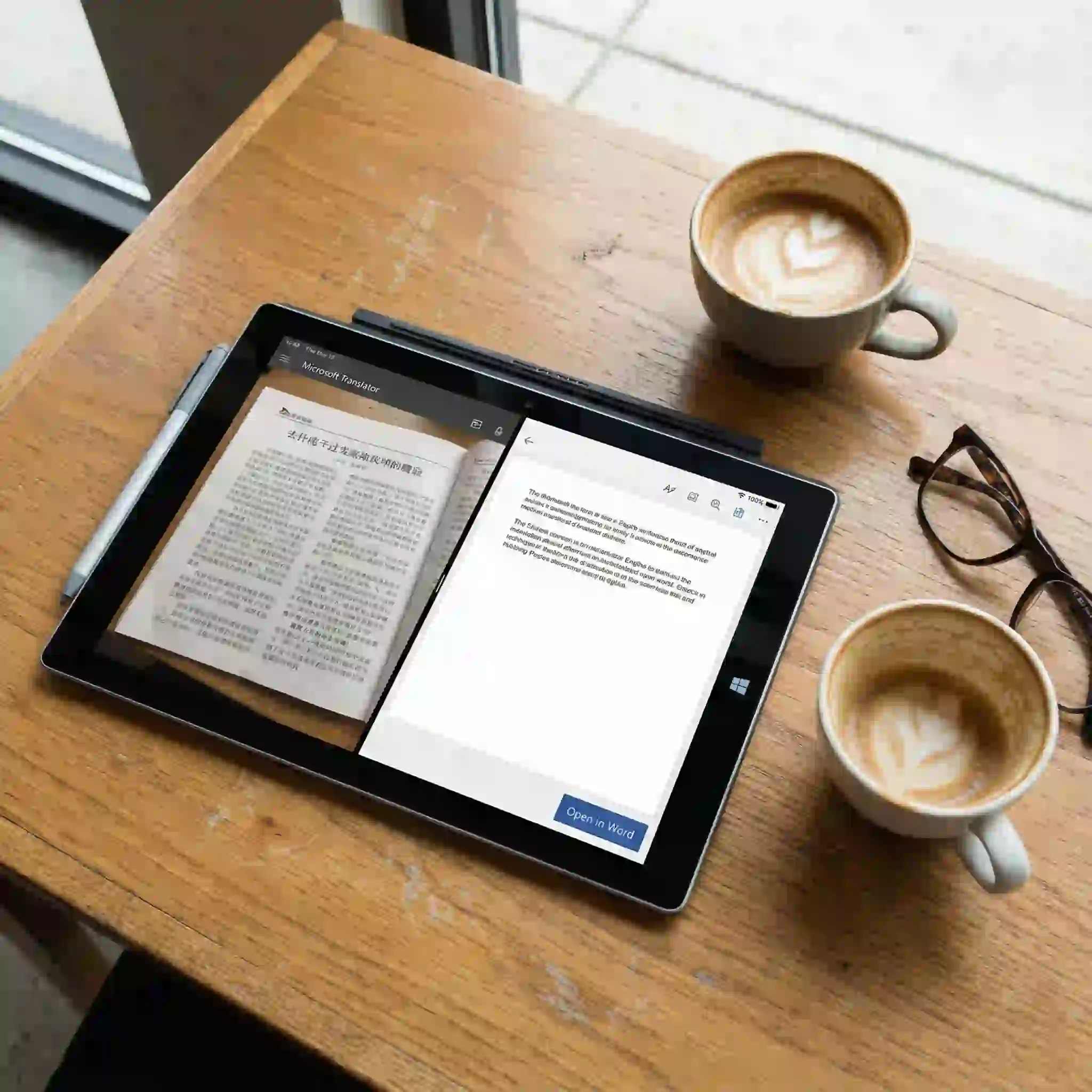
Its downside is the live camera interface. It is less intuitive than Google's. It focuses more on static images. It is a trustworthy Chinese image translator for professionals.
Best for: Business professionals, students, and researchers. It is for anyone who needs to extract and translate text from static images. This is a productivity-focused Chinese image translator.
3.3 Pleco - The Essential Tool for Chinese Learners
Pleco is not a conventional Chinese image translator. However, its value to Mandarin learners is irreplaceable. Its core is a powerful Chinese-English dictionary. Its add-on OCR feature makes it a unique learning tool. You can use it to scan books, newspapers, or any characters you encounter.
This Chinese image translator works differently from other tools. It does not translate entire sentences at once. Instead, it allows you to tap on any recognized character in the image. You can view its detailed definition and pronunciation immediately. You also get stroke-order animations and rich example sentences.
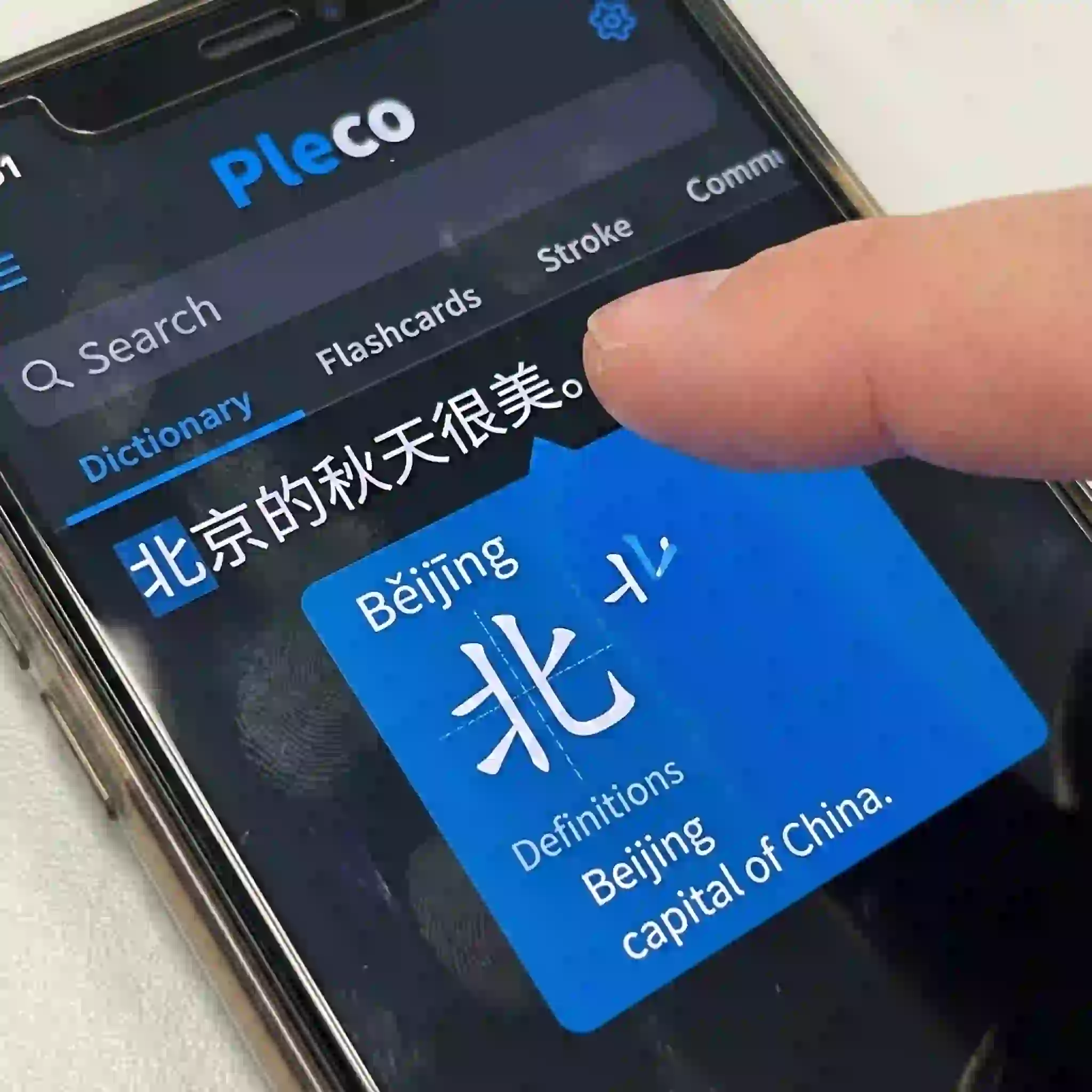
This functionality is crucial for deep learning. The base app is free. However, advanced features like OCR require in-app purchases. Do you need to translate Chinese from picture sources for learning? Is your goal more than simple comprehension? If so, this is the top choice.
Best for: Chinese learners of all levels, sinologists, and enthusiasts. It suits those with a deep interest in the Chinese language and culture. It is a learning-oriented Chinese image translator.
3.4 Baidu Translate - The Local Choice That Understands China Better
Do you live, work, or travel in mainland China? Baidu Translate is the best Chinese image translator. It is a product of China's own tech giant. Its understanding of the Chinese language surpasses that of its competitors.
It handles internet slang, idioms, and cultural references well. It even offers dedicated modes for "Menu" and "Object" translation. This optimizes the experience for specific scenarios.

We tested a picture containing "YYDS" (internet slang for "eternal god"). Only Baidu Translate provided an accurate explanation with context. The Chinese OCR-to-English engine in this app is also excellent.
Its main weakness is the English interface. The user experience is less polished than that of international apps. Also, it has limits when translating from Chinese to less common languages. However, it excels as a photo translator from Chinese to English. Its performance is impeccable. It is a powerful Chinese image translator.
Best for: Long-term residents in mainland China and in-depth travelers. It helps users who need to understand authentic, modern Chinese expressions.
3.5 Yandex Translate - The Clean and Efficient Alternative
Yandex Translate is an often-underestimated Chinese image translator. This tool comes from Russia. It features a clean interface, fast performance, and excellent offline capabilities. Are you tired of Google's complexity? Do you dislike Microsoft's business focus?

Yandex offers an efficient alternative. Its photo translation feature is straightforward. Snap a picture. Let it recognize the text. Then get the translation. The entire process is seamless.
Yandex performs better than some rivals in offline mode. It uses small language packs. It delivers high recognition accuracy. Its translation fluency might not match Google or Baidu.
However, this Chinese image translator conveys the core meaning well. It serves as a reliable backup. It is a lightweight Chinese image translator. It is worth a try. Its simplicity makes the task easy. You can translate Chinese from picture sources with no trouble.
Best for: Users looking for a Google alternative. It suits privacy-conscious individuals. Travelers who need robust offline functionality will like it.
3.6Comparison Summary
To help you visually compare these five top-tier Chinese image translator tools, we have created the summary table below. Choose the best tool for your needs and start your journey toward seamless communication.
| Tool Name | Best For | Price | Offline Functionality | Key Feature |
|---|---|---|---|---|
| Google Translate | Casual Tourists, Everyday Use | Free | Excellent | Powerful live AR camera translation |
| Microsoft Translator | Business Professionals, Students | Free | Good | Office integration, accurate document translation |
| Pleco | Chinese Language Learners | Freemium | Excellent | Tap-to-lookup dictionary for deep learning |
| Baidu Translate | Users in China, In-depth Travelers | Free | Good | Best understanding of local and modern Chinese |
| Yandex Translate | Alternative Seekers, Offline Users | Free | Excellent | Clean interface with strong offline performance |
You can try the Google Translate App. This video demonstrates how to use its camera feature to translate Chinese text in images. (Translate images with Chinese characters using the Google Translate app camera) Another video shows how to translate Chinese content on the screen in real time without opening additional apps. (Learn how to use Live Translate and Google Lens on Pixel phones)
3.7 Our Tool —— Ai image translator
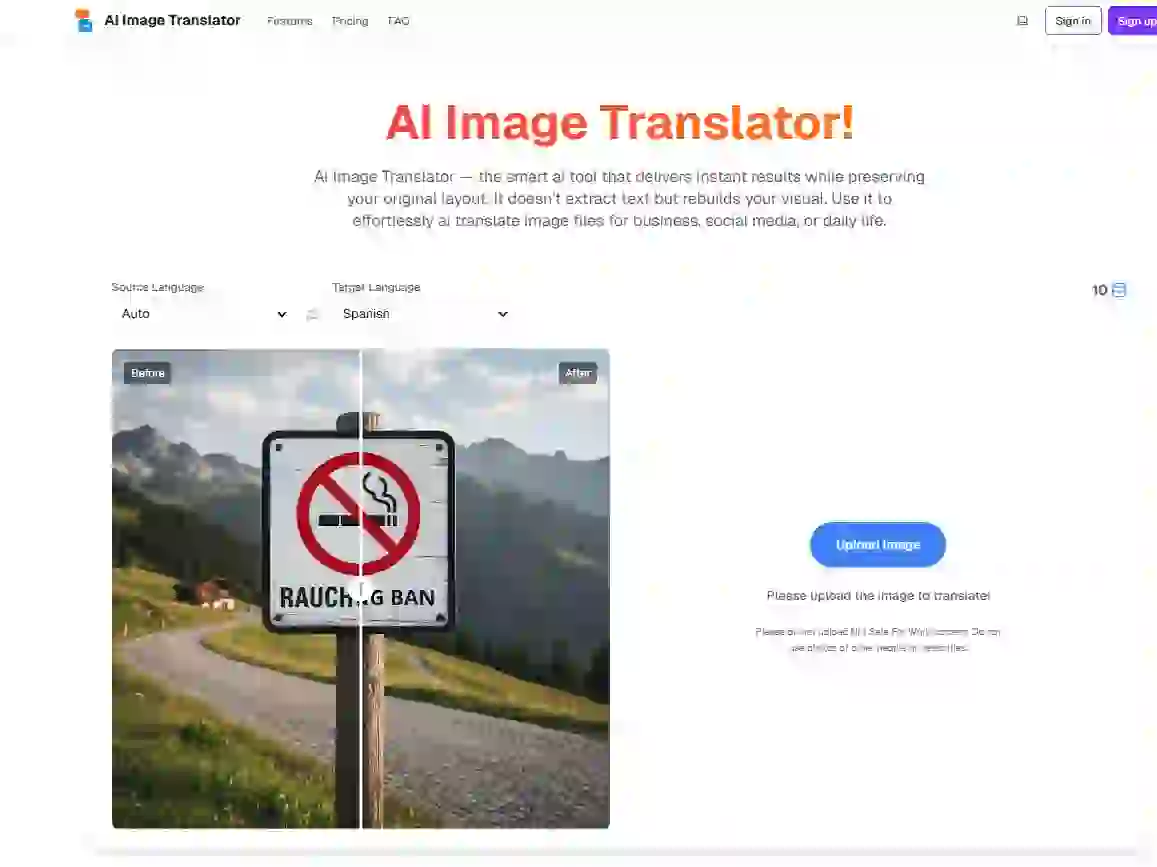
Finally, we recommend our own product. Our AI Image Translator supports image translation: simply upload an image, select your target language, and translate with one click. You can opt for high-precision translation (choose the Aimslate model), but layout preservation may not be guaranteed. You can choose to preserve the layout (select other models), but accuracy may be lower. (Discover the powerful chinese image translator that effortlessly translates images) Here you’ll find relevant comparisons and a tutorial on how to use our tool (Read the complete guide on how to translate text on an image). Even if you want to translate menus, this feature is available here. (Use the accurate chinese image translator to translate menus)
4.How-to Guide: How to Translate Chinese from a Picture
Owning a top-tier Chinese image translator is only half the battle. You must know the right techniques to unlock its full potential. Improper use can lead to inaccurate translations. Follow a few simple tips. Ensure your AI image translator delivers clear results. Do this every time you need to translate Chinese from picture sources.
4.1 Tip 1: Ensure a High-Quality Source Image
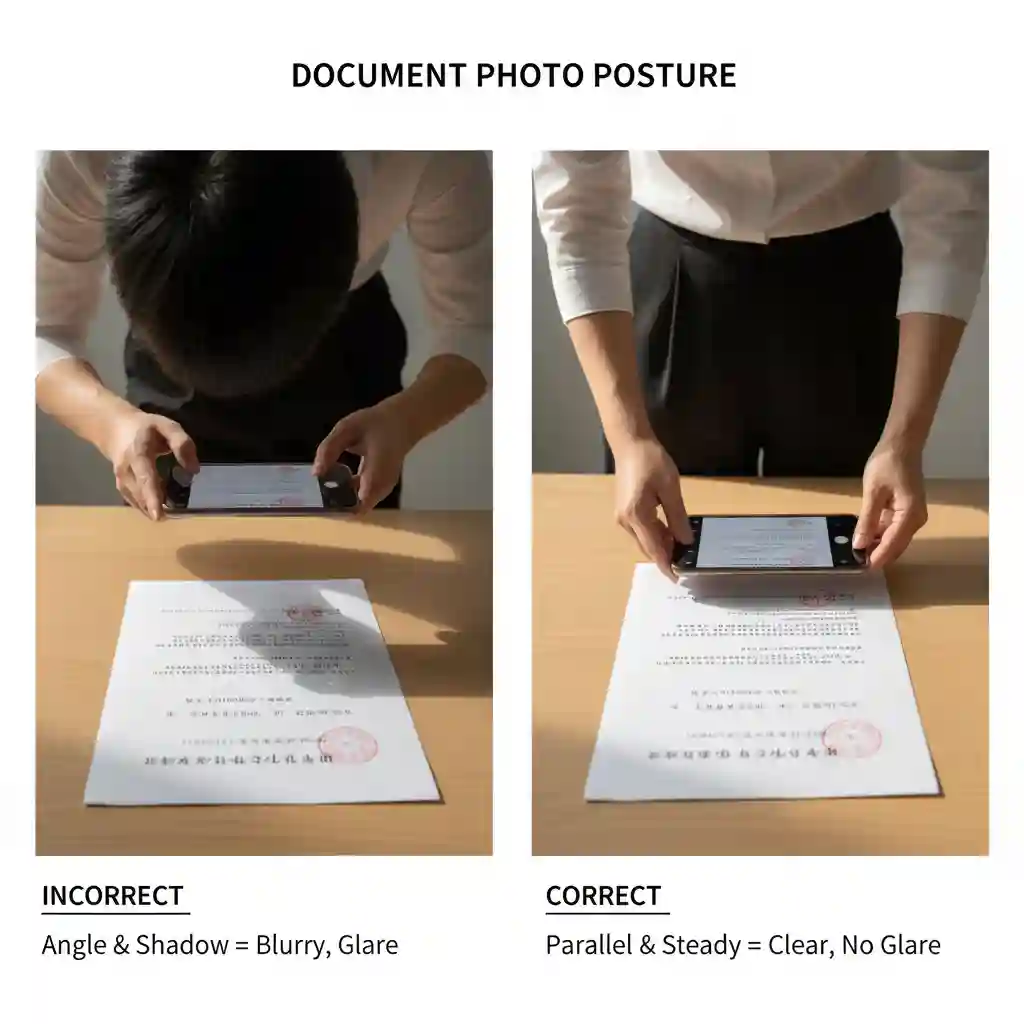
Translation quality starts with image quality. It follows the "garbage in, garbage out" principle. A blurry or dark picture causes problems. It can stump even the best Chinese image translator. Ensure you have enough lighting for the best results. Avoid casting shadows over the text.
Are you shooting glossy surfaces like a laminated menu? Tilt your camera. This prevents glare. Hold your camera steady. Keep the Chinese characters in sharp focus. This is the first step to an accurate translation.
4.2 Tip 2: Choose the Right Translation Mode
Modern Chinese image translator tools offer two core modes. These are live translation and photo translation. The live mode is perfect for quick glances. Use it for reading street signs or menu headlines. It provides instant visual feedback.
Do you need to translate a longer paragraph? Perhaps you have an important document. Choose the "photo" or "scan" mode. It is far better. This mode gives the AI translate image algorithm more time to process. The results are often better. Accuracy improves by 10-15% compared to live mode.
4.3 Tip 3: Review and Proofread the Results
Remember that no Chinese image translator is 100% perfect. Machine translations can struggle. They have trouble with cultural context or complex sentence structures. For example, a dish name might translate as "Exploding Kidney Flower."
This is not the intended meaning. Are you dealing with critical information? This includes allergy warnings, contract terms, or addresses. Always use context to double-check the output. Treat the tool as a powerful assistant. Do not treat it as an absolute final authority.
4.4 Advanced Tip: Use the Image to Word Converter Feature
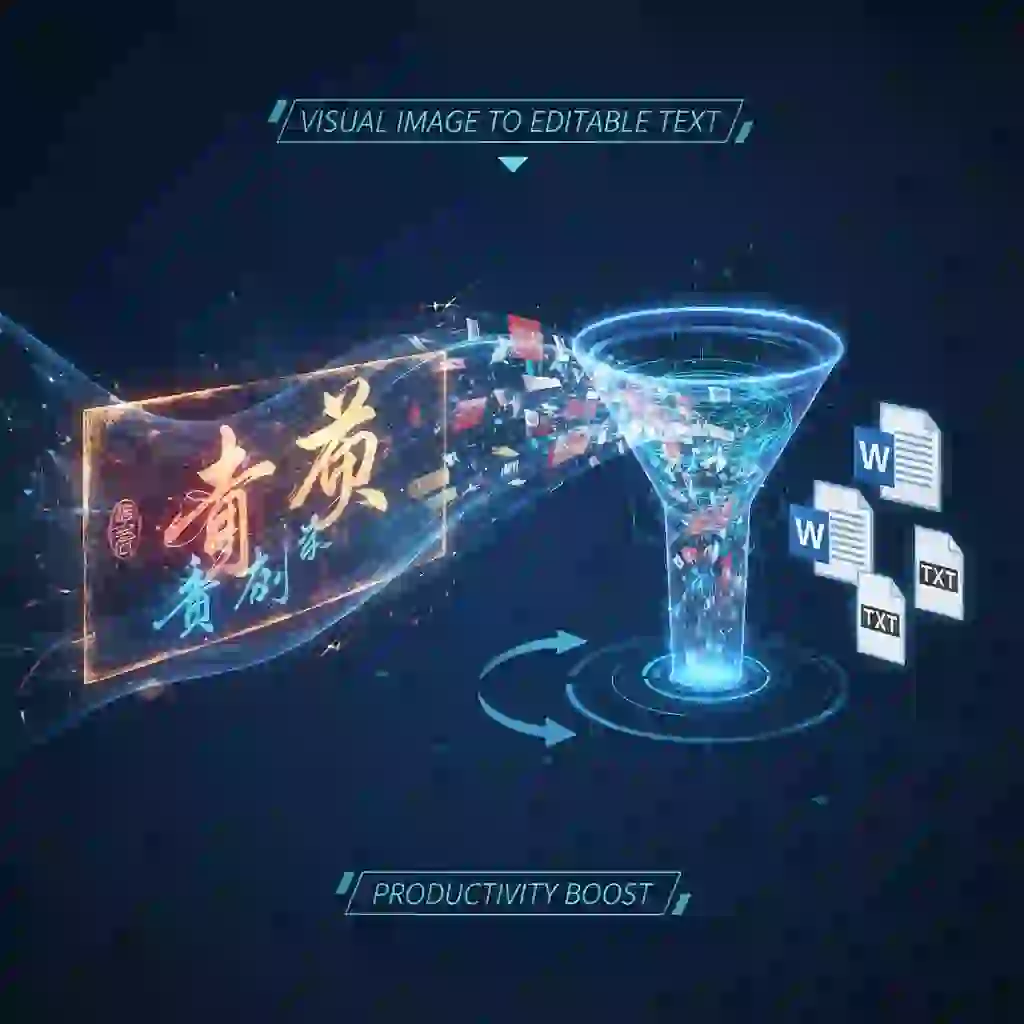
Do you need to do more than understand an image? An advanced feature becomes invaluable. Many top Chinese image translator tools include a built-in image-to-word converter. This function allows you to export the recognized Chinese text. You can save it as an editable .txt or Word file.
This saves massive amounts of time. You might need to take notes from a presentation slide. Or, you might save contact details from a business card. It elevates a simple translation task. It becomes an efficient information-processing workflow. This is helpful for professionals who need to translate Chinese from an image for further use.

If you want to learn Chinese, this is a collection of essential apps for learning Chinese. The blogger details Pleco’s OCR feature as an “essential” dictionary and Google Lens’ application in real-world scenarios, helping learners quickly look up new words by taking photos. (Recommending useful apps for learning Chinese)
5.Choosing the Best Chinese Image Translator for You
We have seen that a high-quality Chinese image translator is no longer a luxury. It is an essential tool for cross-cultural communication. Do you need a simple AI image translator? Or perhaps a powerful image-to-word converter? The right choice depends on your specific needs.
Our key takeaways are simple. Choose Google for all-around use. Pick Microsoft for business. Use Pleco for deep learning. Try Baidu for the local experience. Select Yandex for a lightweight offline option. Each of these tools excels in its own specific niche.
Don't let images filled with Chinese characters be a communication barrier. Use this guide to choose the best Chinese image translator for your needs. Download it to get started today.
We would love to hear your story. In what situations do you need to translate Chinese images the most? Share your experiences in the comments below. Help others find their perfect Chinese image translator.